
.avif)
When it comes to choosing benchtops for your new home, there are many factors that might influence your decision - including aesthetics, colour range, durability, installation method and the boring but important factor of cost.
Each material has its own unique pros and cons, and the option that best suits you will not necessarily fit the needs and lifestyle of someone else.
To help you with your decision, we have shared the key features of popular benchtop options.
It is important to note, that the guidance given below is of a general nature, and we recommend that you directly consult with the suppliers during your showroom visit.
Natural Stone Benchtops
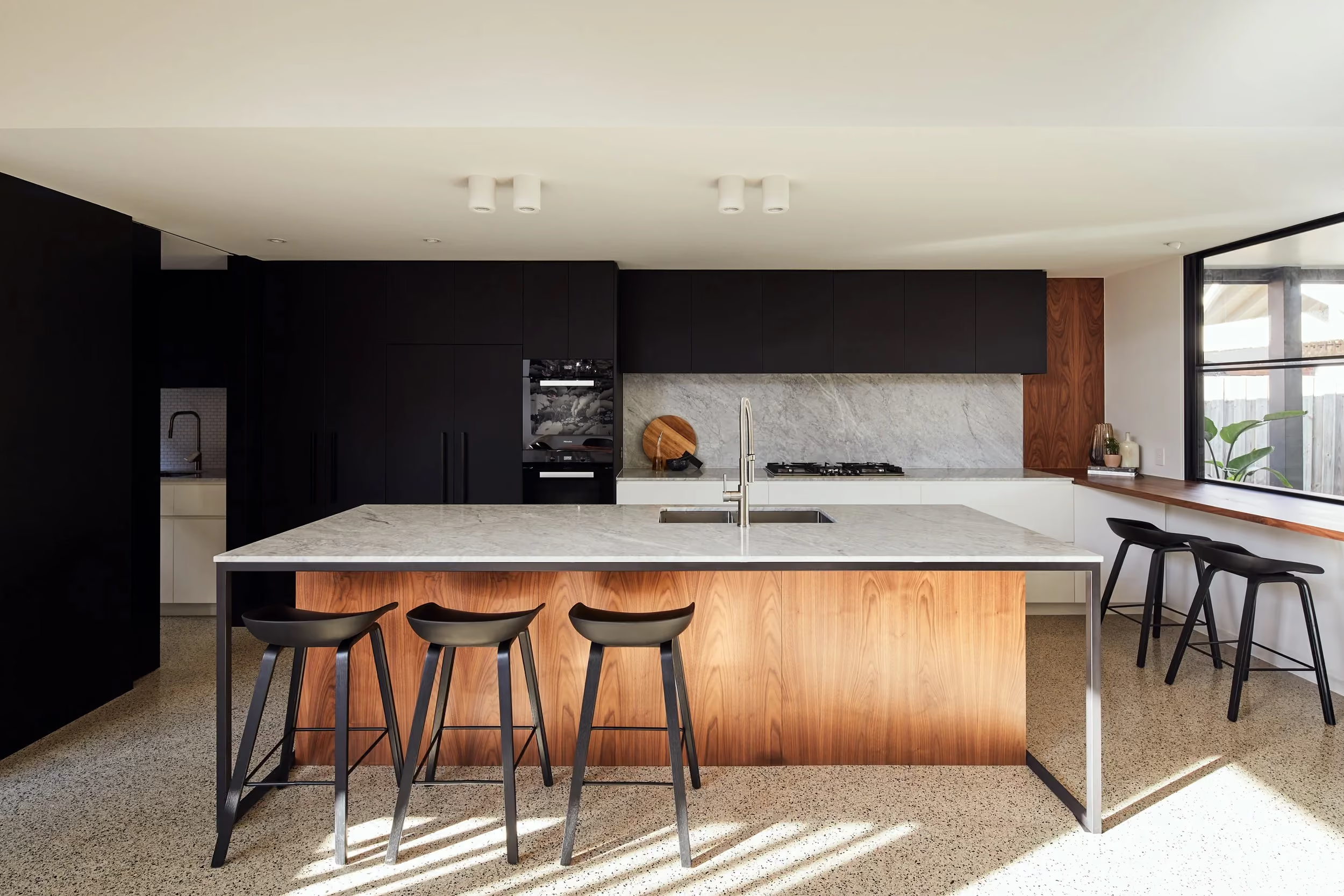
Nothing feels as luxurious as natural stone but be prepared for some additional maintenance to retain its beauty as it requires sealing (at least yearly, some suppliers even recommend resealing every 3 months) to maintain its good looks!
Pros
Each piece of natural stone (whether it is marble, granite or quartz) has its own unique qualities like colour, texture and veining. It is impossible to replicate with man-made materials and patterned slabs can be book-matched to create a striking feature. All natural stone requires regular sealing to minimise staining, although some stone varieties are more stain-resistant than others.
Cons
Natural stone is generally the more expensive option and stains easily when exposed to foods like citrus, tomato, oils and coffee as well as certain chemical products. Even when sealed regularly, there are no guarantees that spills will not cause staining. If chipped or stained, it’s very difficult to restore your benchtop to its original condition without spending considerable money having a professional re-polish the entire surface.
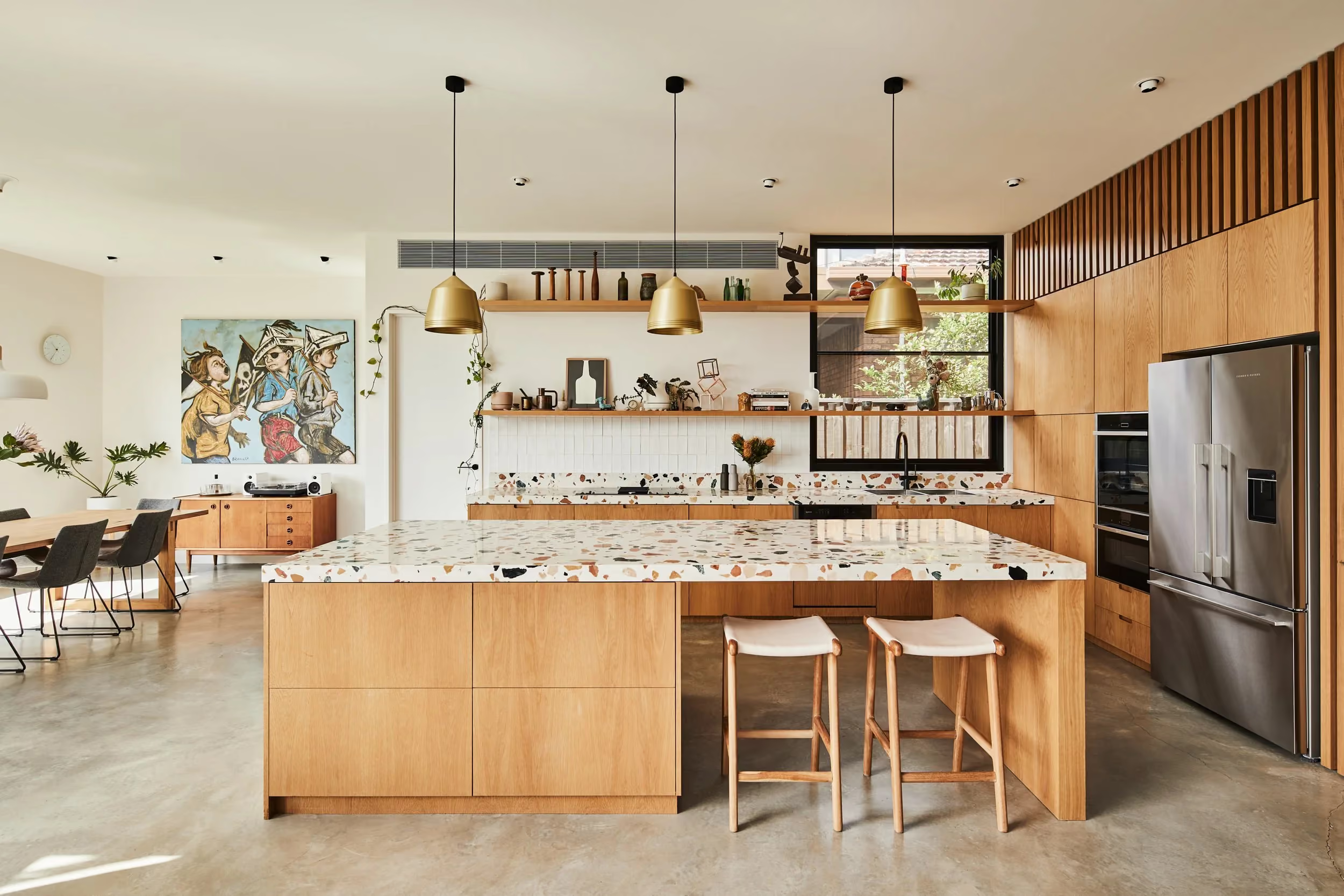
Solid Timber Benchtops
Using timber in your design adds beautiful warmth and texture - but a word of warning - timber and water aren’t usually good friends… and this can become quite the problem in bathrooms and kitchens where water is literally everywhere! Along with a light sand, a sealant or oil should be applied at least yearly to maintain the structural integrity and beauty of timber benchtops.
Pros
Sustainable, unique and easy to install - timber benchtops are versatile, stylish and add a grounding element to your home. Depending on the type of timber, they can be an affordable option compared to other finishes and are one of the easiest surfaces to restore.
Cons
More vulnerable to scratches and heat marks and need to be regularly re-sealed to maintain surface quality. Water, food, make-up and termites may also be a problem for timber benchtops if not protected correctly.
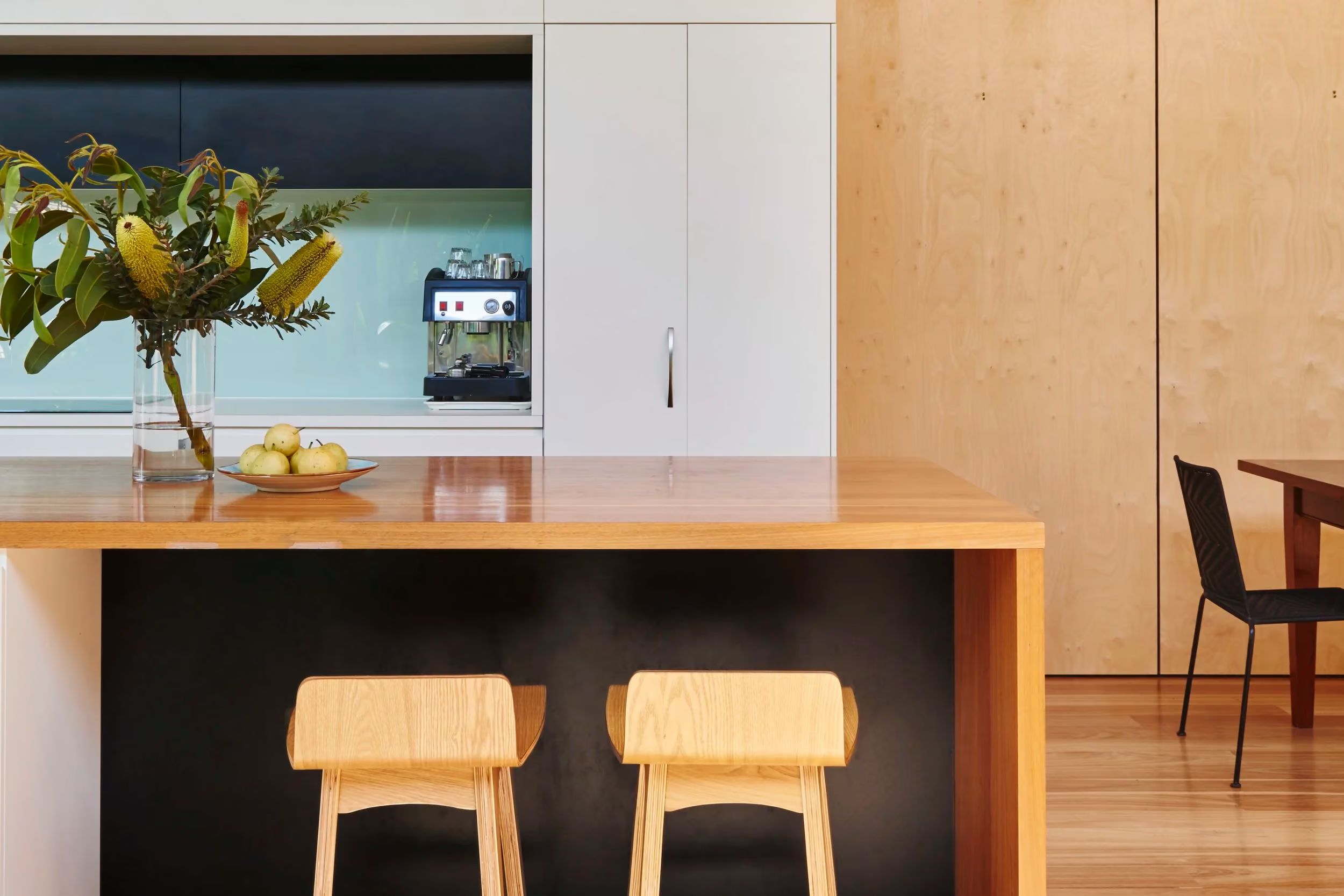
Reconstituted Or Engineered Stone Benchtops
Made by mixing resin with aggregates, reconstituted stone is a durable material that is available in a vast range of colours and tones. It is less expensive than some natural stones but more expensive than laminate making it a good mid-range option.
Pros
It can be used as an imitation marble or natural stone at a fraction of the cost. More durable than natural stone.
Cons
Reconstituted stone will be banned in most states and territories from July 1 2024 due to it’s silica content. When this product is cut it releases fine silica dust that has been found to cause deadly diseases and cancers. You can read more about this ban HERE.
More expensive than a laminate benchtop and lacks the unique beauty of natural stone. Generally, reconstituted stone is not UV resistant so can experience fading over time, especially in direct sunlight. It is stain resistant, but not stain proof - it can stain easily.
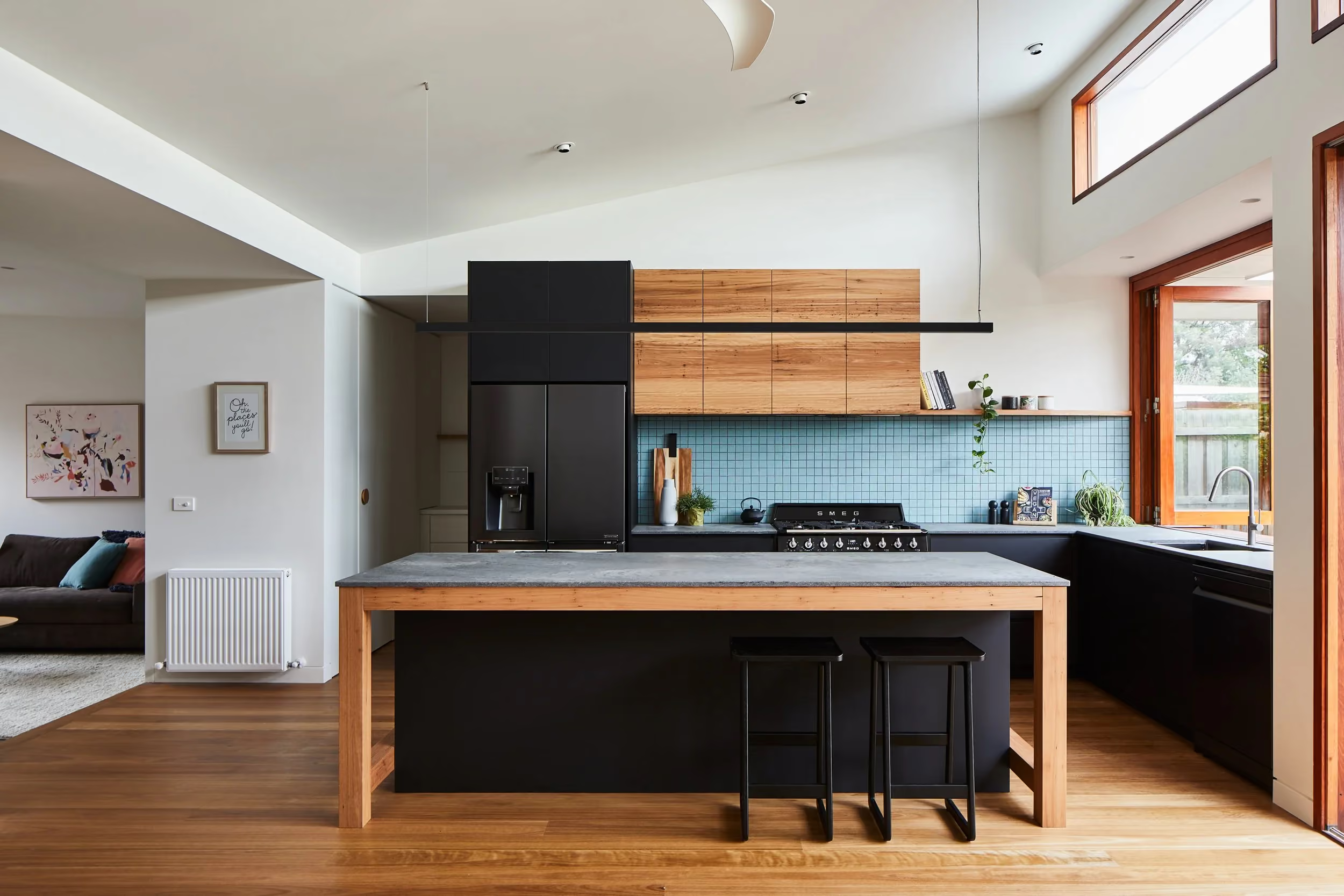
Solid Surface
A high-tech solid surfacing material that offers high performance. Renowned for its exceptional versatility and limitless applications, it is suitable for indoor and outdoor use.
Pros
Zero silica, non-toxic, non-porous, impact resistant, mould resistant, stain resistant, seamless (no joins!), minimal maintenance, renewable and easily repairable and UV stable.
Cons
Not heat resistant (can discolour or crack), susceptible to scratches (especially true with a gloss finish), vulnerable to strong chemicals.
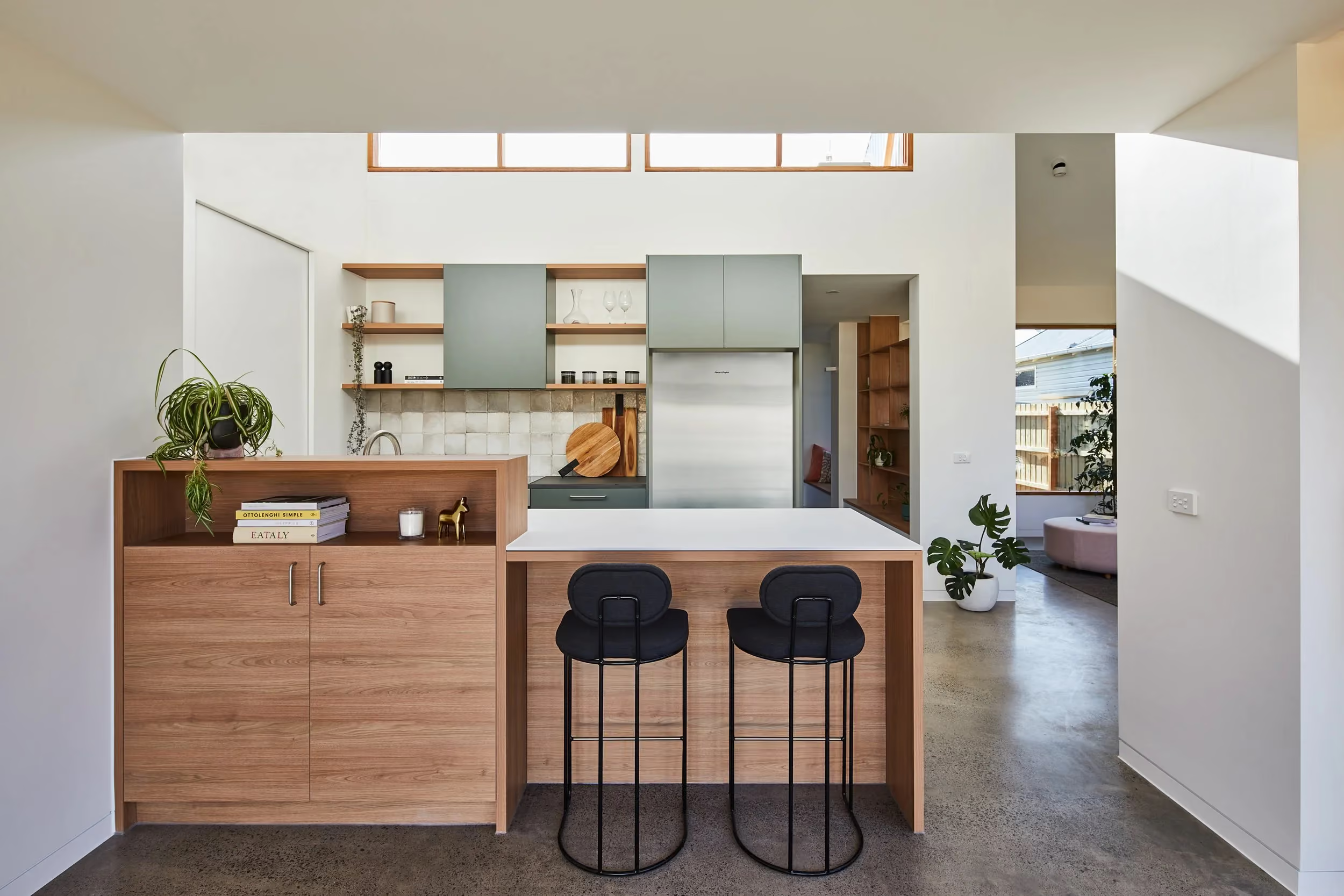
Porcelain Benchtops
Porcelain slabs are printed and sealed and rapidly growing in popularity for benchtops. They are available in a vast range of colours and finishes including matte, gloss, satin and textured surfaces.
Pros
Solid, non-porous, heat-resistant, easy to clean and scratch resistant and stain resistant to most chemicals. Porcelain is highly durable for the realities of family life (it is highly resistant to chipping and breaking).
Cons
Price is a significant factor to consider when it comes to porcelain. The process of fabricating countertops becomes more challenging when dealing with high-density materials. Moreover, due to the thinness of porcelain slabs, it becomes difficult to find suitable fabricators for handling this material.
Additionally, the pattern on porcelain slabs is applied to the top surface of the material, resulting in a raw edge that may be less visually appealing compared to the rest of the surface.
Laminate Benchtops
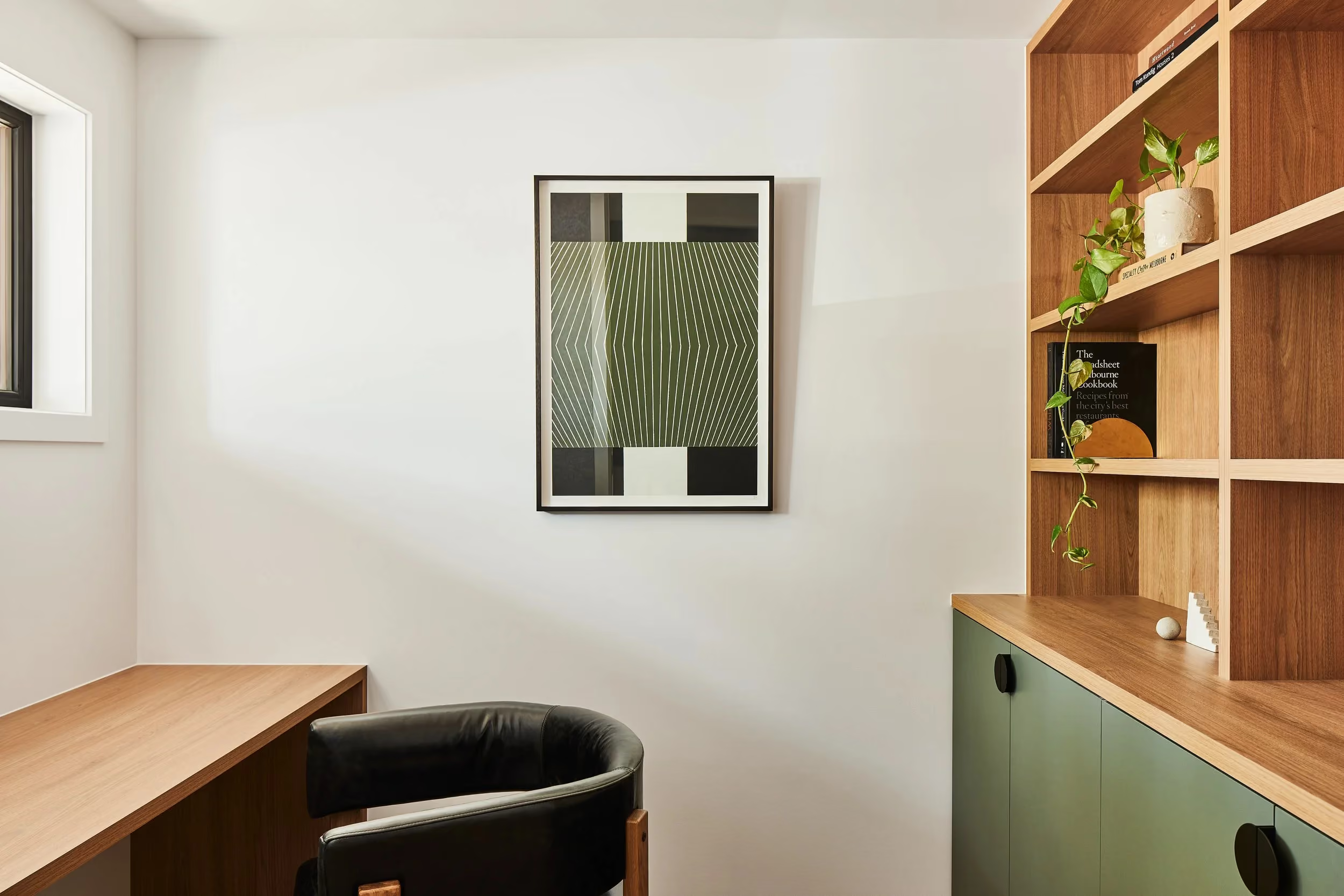
Laminate is one of the easiest and most cost effective benchtop solutions. It comes in a broad range of colours and finishes.
Pros
An affordable option that can mimic its Timber and Natural Stone counterparts - with a shorter lead time than most other materials. It’s easy to maintain and lightweight for easy (and cheaper!) installation.
Cons
Whilst you can choose from a range of finishes that mimic Timber and Natural Stone, the look and finish will never compare to the unique beauty of the real thing! Laminate is also generally more susceptible to scratching, scorching and burning, and can lose its shine or dull over time. There’s also the potential of scratching and water damage, or splitting and cracking if it’s exposed to repeated extreme temperature fluctuations.
We trust that the following resources from our suppliers will prove helpful as you make decisions regarding your choice of benchtop surfaces:
Natural stone: how to care for natural stone surfaces by Artedomus



.avif)

.avif)


.avif)