
If you are creating a home for your family, chances are you are designing for years of daily life—not for a single sales campaign in some unknown future market. Designing around “resale value” often leads to compromise: bigger homes than you need, extra rooms you may never use, and decisions shaped by speculation rather than lived experience.
At Altereco, we think the better question is simpler: how do you want your home to feel, function and perform over time? That means designing around your brief, your site and your future life—not around an imaginary “next buyer.”
Quick Takeaways
- Designing for resale value alone is a short‑sighted strategy that often compromises how your home works for your family.
- Starting with function—flow, spatial logic and everyday use—creates homes that make sense now and can adapt as life changes.
- We integrate PHPP modelling early to test options and inform meaningful choices about comfort, energy use and cost.
- Performance from day one means health, comfort and low running costs are designed in, not treated as afterthoughts.
- For families who want a home that still makes sense in 2050, designing well now tends to look after resale later anyway.
Why Designing for Resale Is a Short‑Sighted Strategy
A home should not be treated like a product that needs to be styled for someone else one day. It is the place where your routines unfold, where your family grows, and where ordinary life happens every day.
When design starts from resale optics, compromise tends to creep in. Sometimes that means adding rooms or features with no real purpose beyond what someone says the market expects. As we’ve written in our resale value article, some clients add spaces they never intend to use simply because they have been told they “should” include them.
That is not how we think good homes are made. We believe the strongest starting point is your actual brief: how the home flows, how the spaces connect, what daily life needs from them now, and how those needs may change over time. Our sketch design phase is built around exactly that kind of workshop-based resolution of layout and function.
What It Means to Design for How You Live
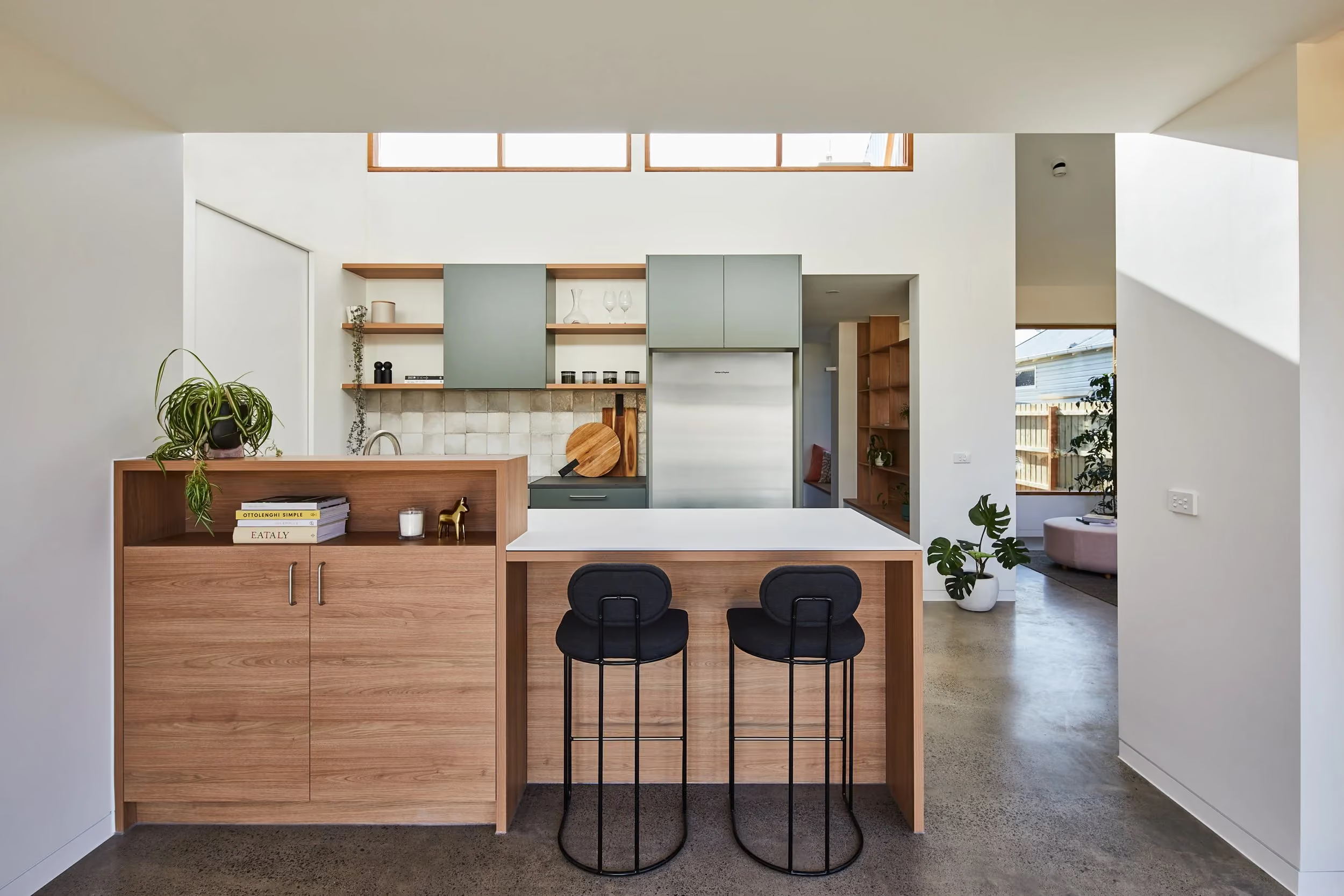
Function is not the opposite of beauty; it is often the thing that makes a home feel quietly resolved. A well‑planned home supports daily life without asking for constant negotiation. Rooms relate to one another sensibly, circulation feels intuitive, and the house can accommodate both routine and change.
In our interior design process, we talk about practical spaces that allow flexibility and diversity across the lifetime of the home. That idea is central to us: designing not just for handover day, but for the many versions of life that may unfold after it.
It’s also why we are cautious about decisions made purely for hypothetical resale. If you expect to live in your home for a decade or more, trying to predict exactly what the market will reward in the 2030s is not a sound design strategy. Neither you nor your real estate agent can really know what that future market will want.
Function First: Homes That Make Sense Over Time
When we say “function first,” we mean starting with how your home will actually work over time. That includes circulation, zoning, storage, light, and how communal and private spaces balance one another as your family changes.
A home that has been carefully planned to support your routines, hobbies, work patterns and downtime will keep making sense as life shifts. Designing for how you live now, and how you’re likely to live later, is a far more robust brief than designing for a hypothetical future auction.
Performance From Day One: Comfort, Resilience and Low Energy
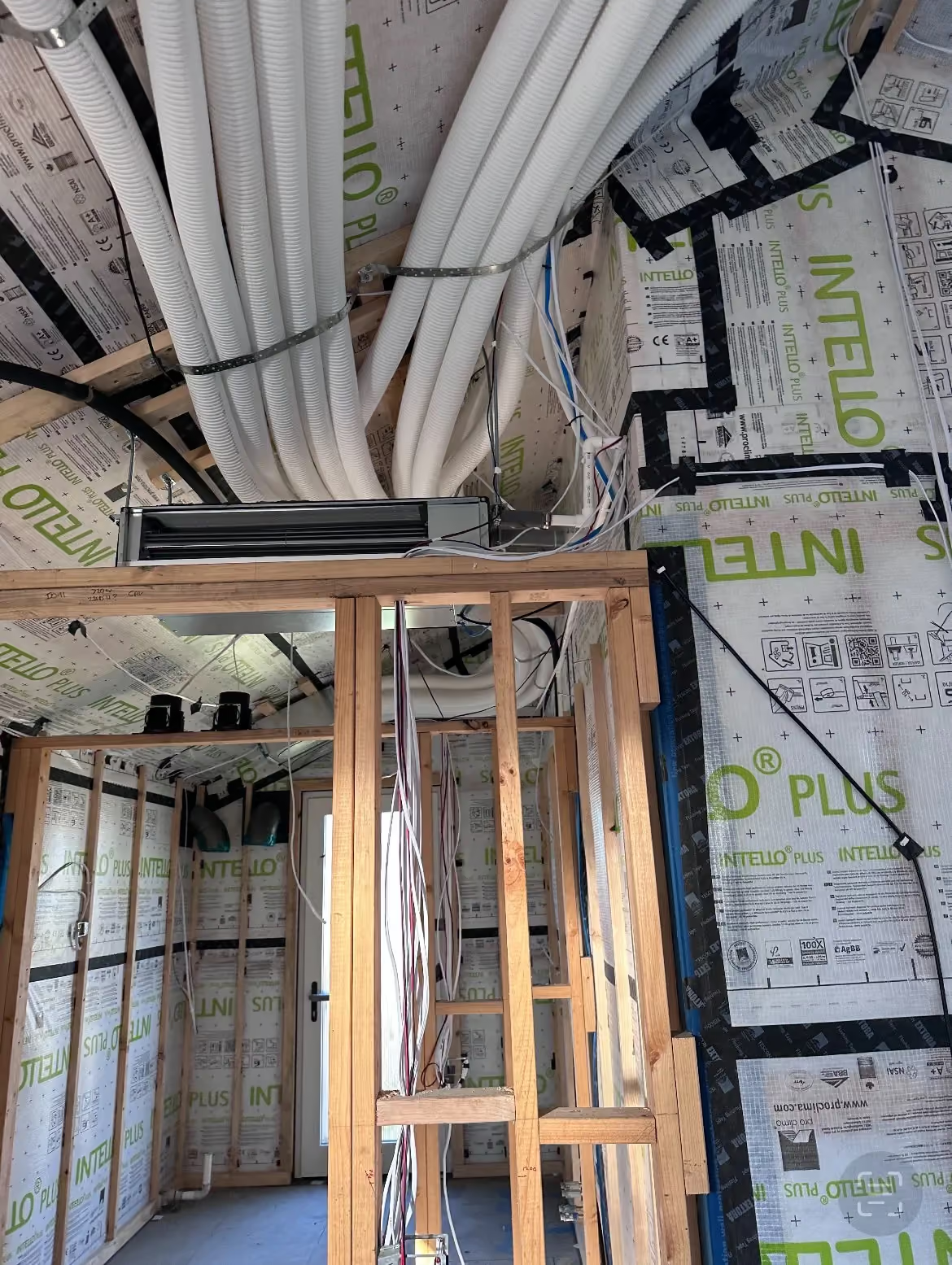
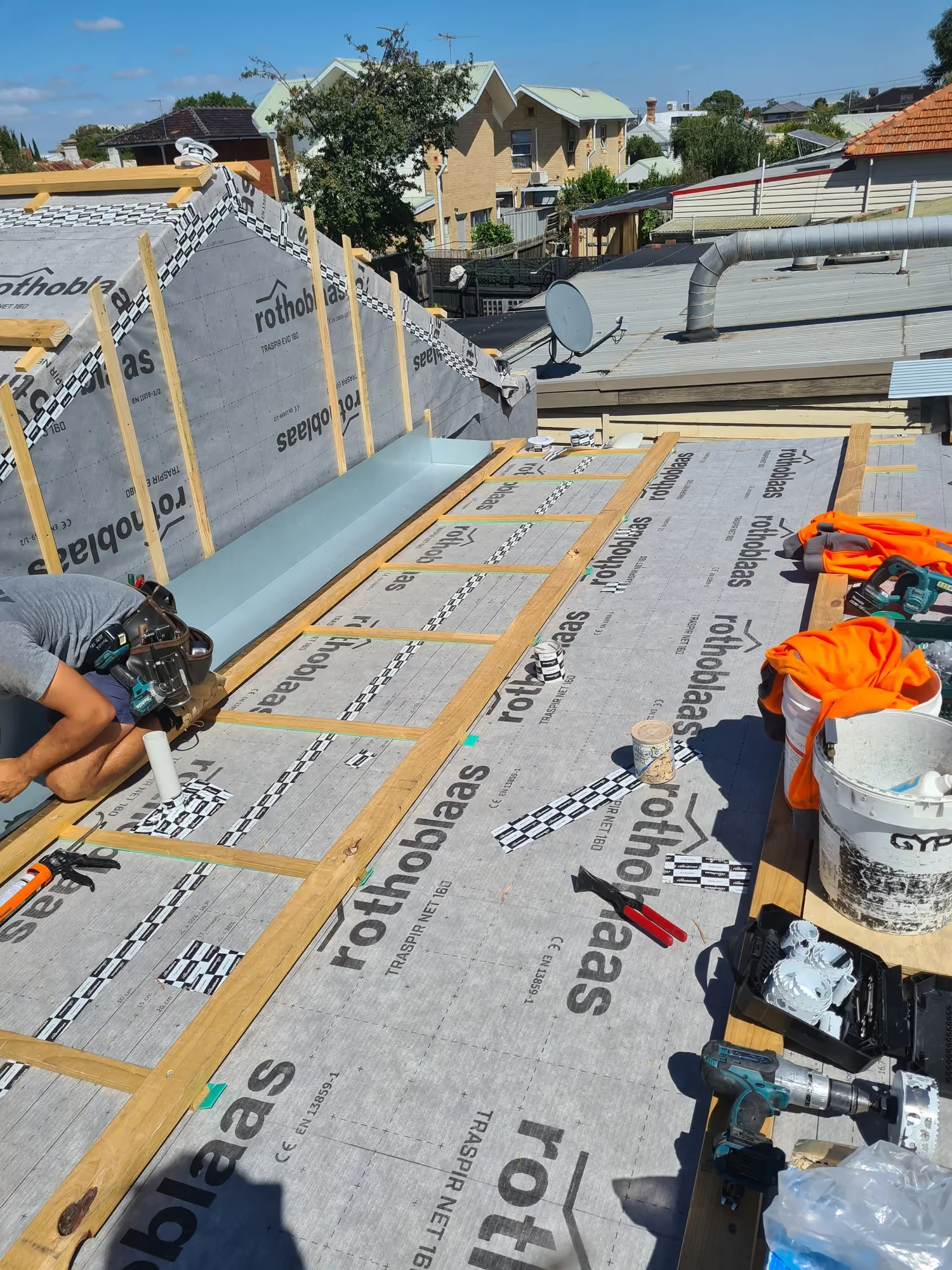
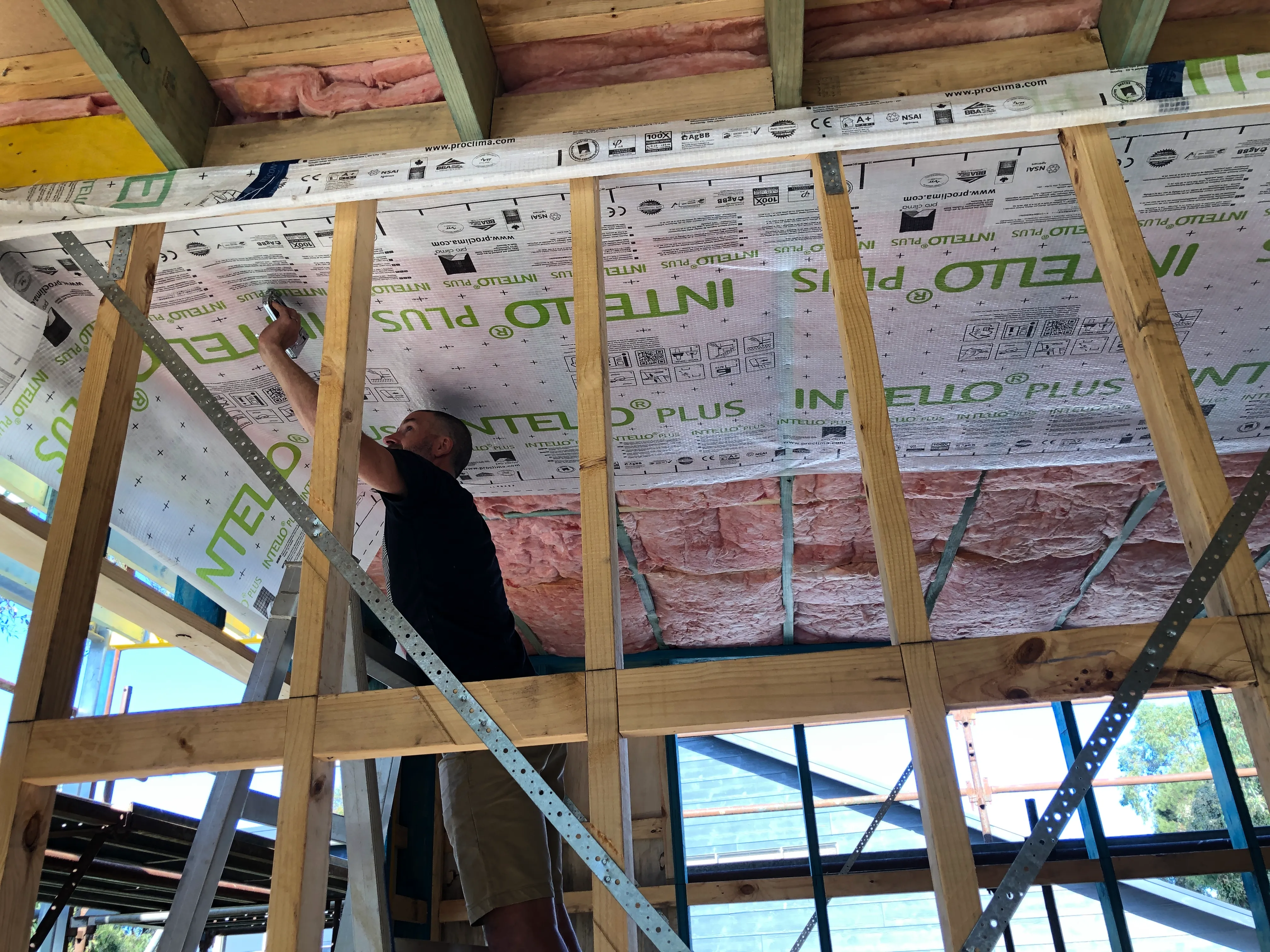
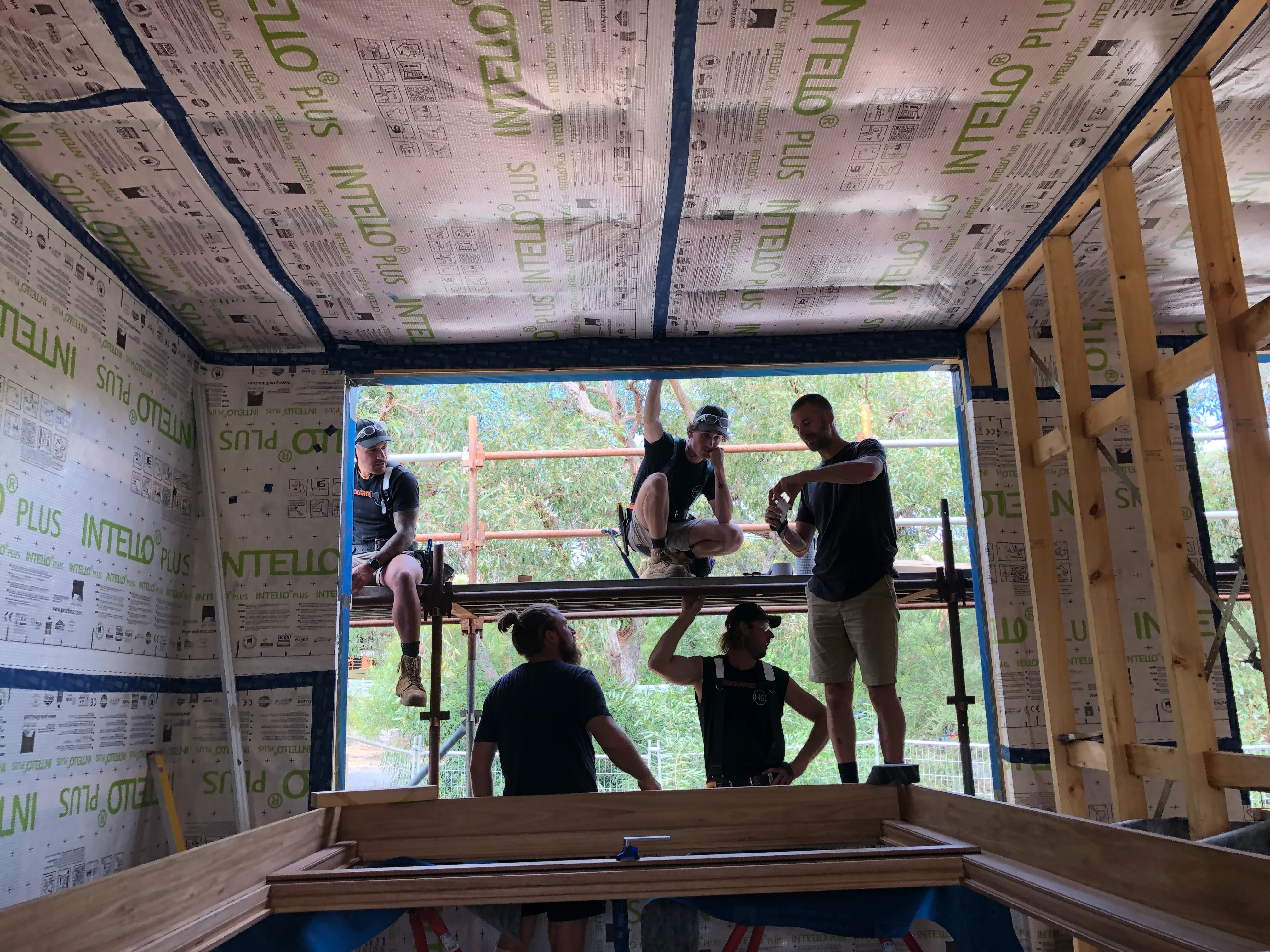
Performance should not be something checked late in the process once the real design decisions have already been made. It needs to be part of the design thinking from the beginning. We integrate performance modelling from the design stage to test options and inform meaningful choices about comfort, energy use and cost.
That matters because performance is not abstract. It shapes how a home feels to live in: stable indoor temperatures, lower energy demand, smarter glazing choices, better material decisions, and more climate‑resilient outcomes. We deliberately use modelling to weigh the cost and benefit of layout configurations, glazing and material choices, rather than treating performance as a late‑stage add‑on.
Comfort, resilience and low energy use are designed in. They are not scrambled in later just to satisfy minimum requirements. Our aim is to go beyond the 7‑Star legislated minimum and craft climate‑resilient homes without compromising aesthetics or blowing the budget.
Why Long‑Term Performance Matters More Than Resale Optics
People are becoming more discerning about housing quality. Buyers are increasingly alert to cosmetic touch‑ups and more interested in what sits behind the walls—the quality of construction, the performance of the envelope, and the running costs of the home itself.
That shift makes sense. Rising energy costs, growing awareness of indoor environmental quality, and fast‑moving product and technology improvements all mean that a merely “run of the mill” home can feel outdated quickly. Building only to today’s minimum standard risks making a house feel obsolete in just a few years.
For us, this is where long‑term value actually comes from. Not from designing to impress a hypothetical buyer, but from creating a home that works beautifully, performs reliably and continues to make sense well into the future.
For Families Who Want a Home That Still Makes Sense in 2050
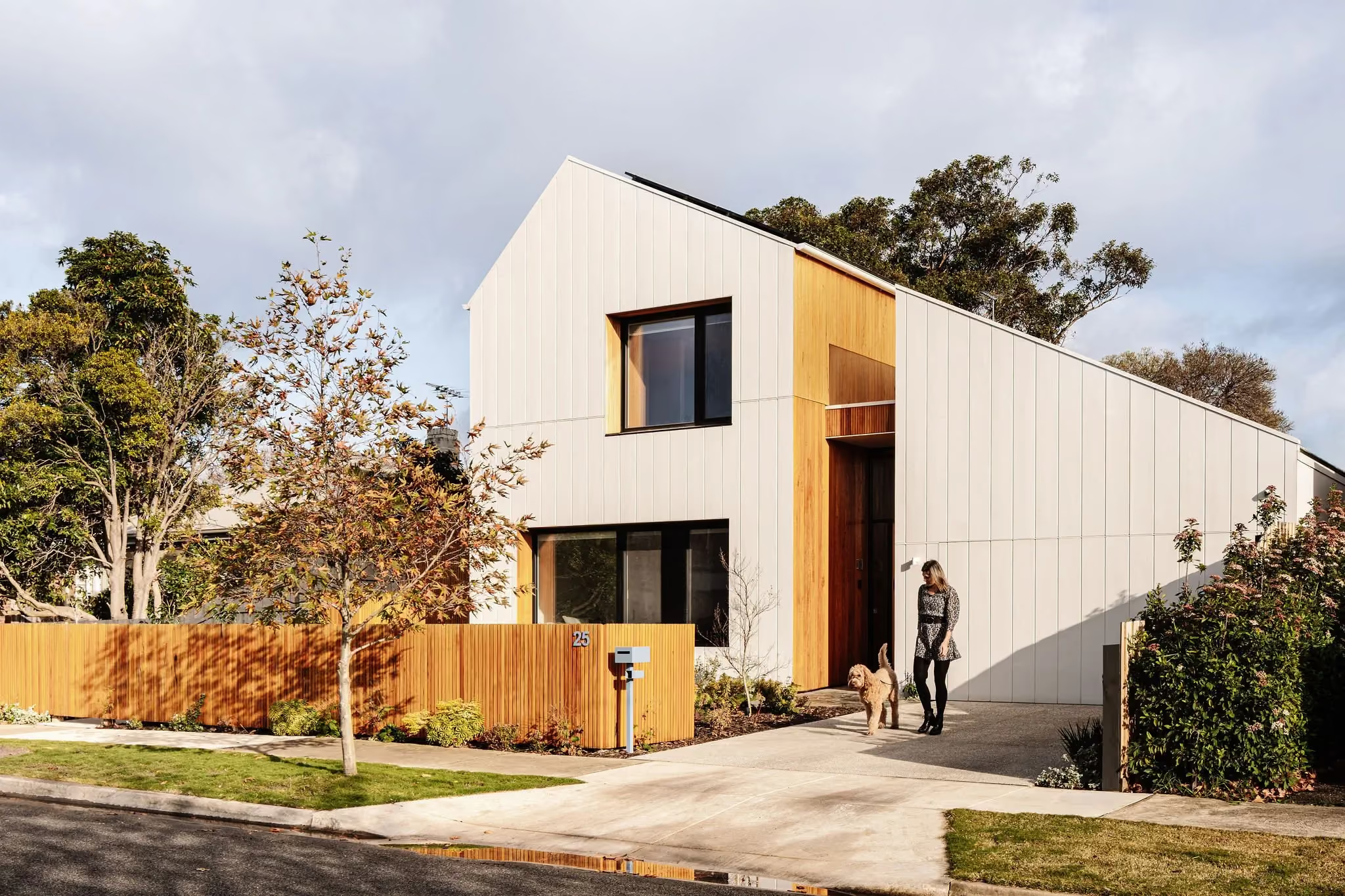
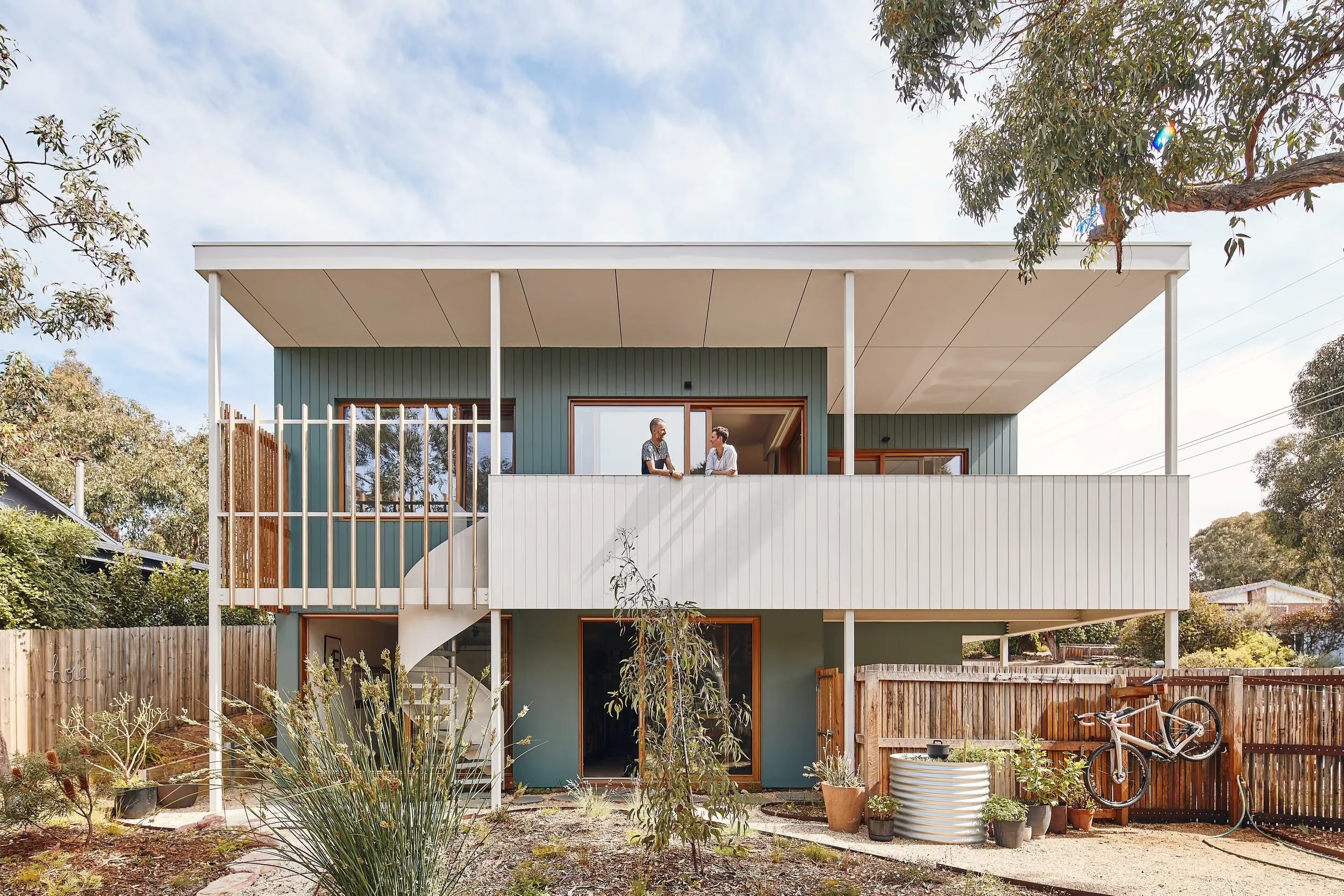
We design for families who want a home that will still make sense in 2050—not just at handover. That means beginning with function, integrating performance early, and resisting the pressure to make decisions for an unknown future market instead of the people who will actually live there.
Design and build it well, and the resale will take care of itself.
And if you do, there’s a good chance you’ll never want to leave.
.avif)
.avif)
.avif)
.avif)