
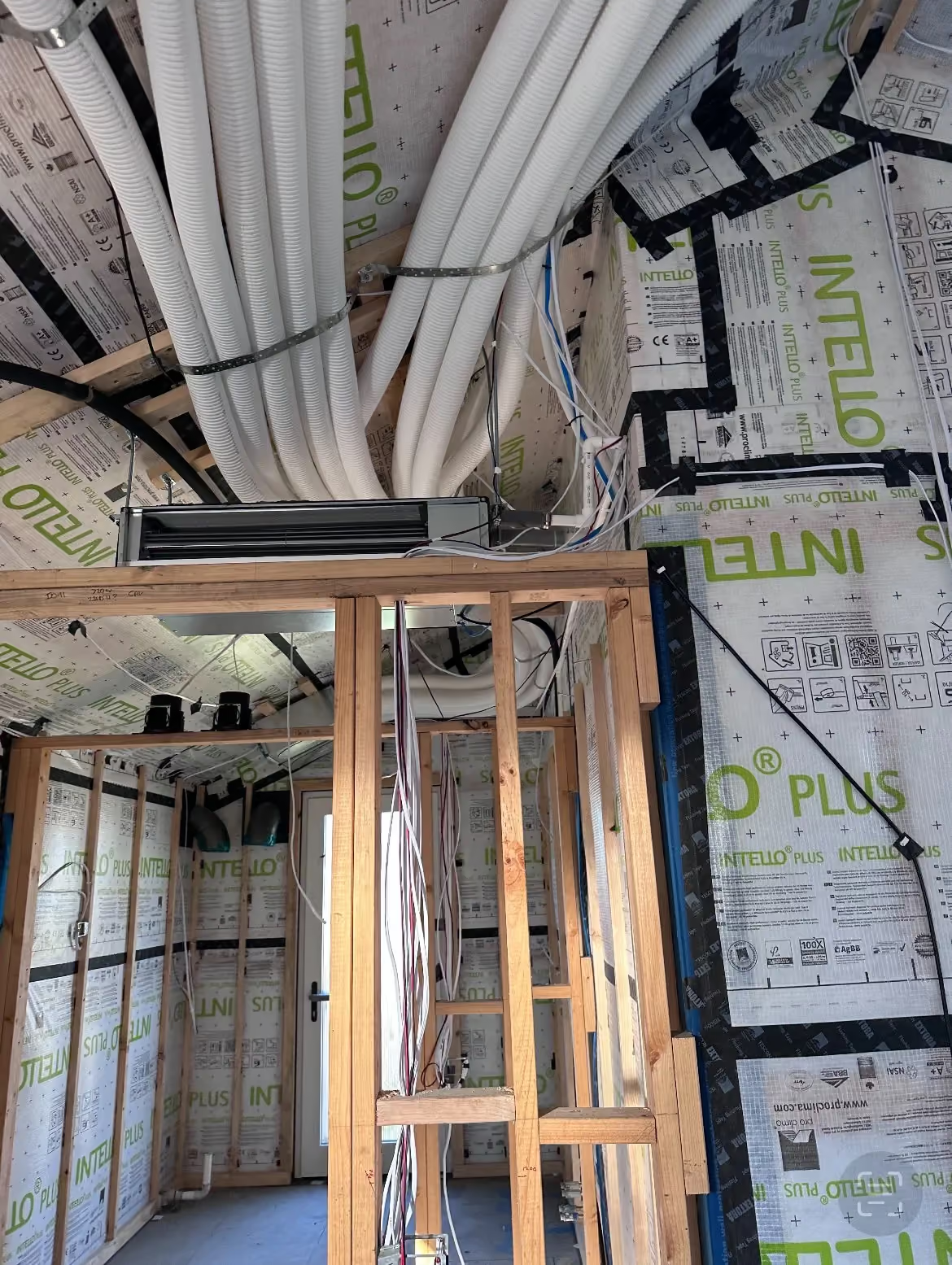
Creating a healthy and comfortable living environment is paramount in modern home construction and a MHRV plays a crucial role in achieving this goal. These systems offer controlled ventilation, improving indoor air quality, reducing humidity levels, and distributing heat efficiently throughout the house.
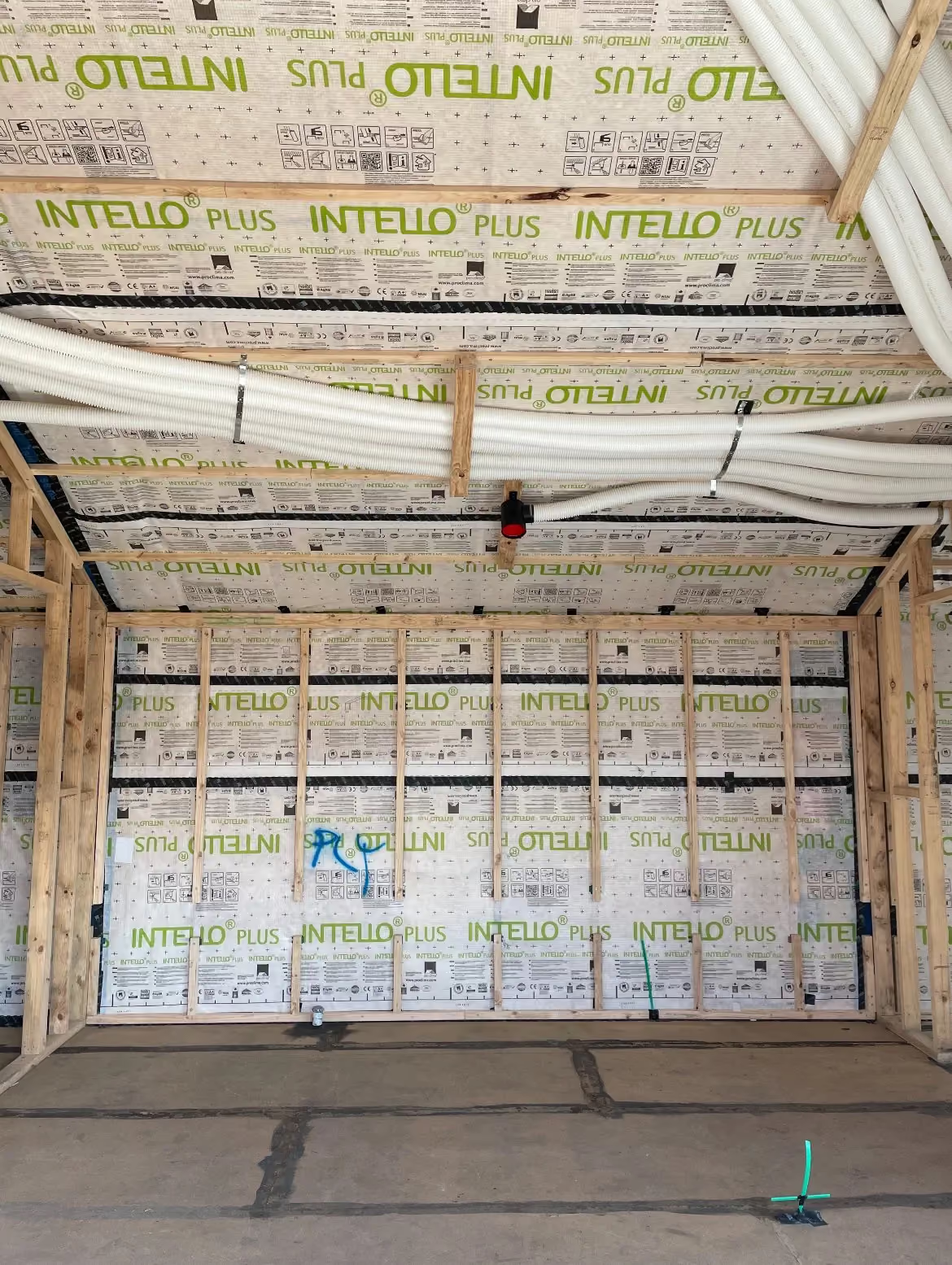
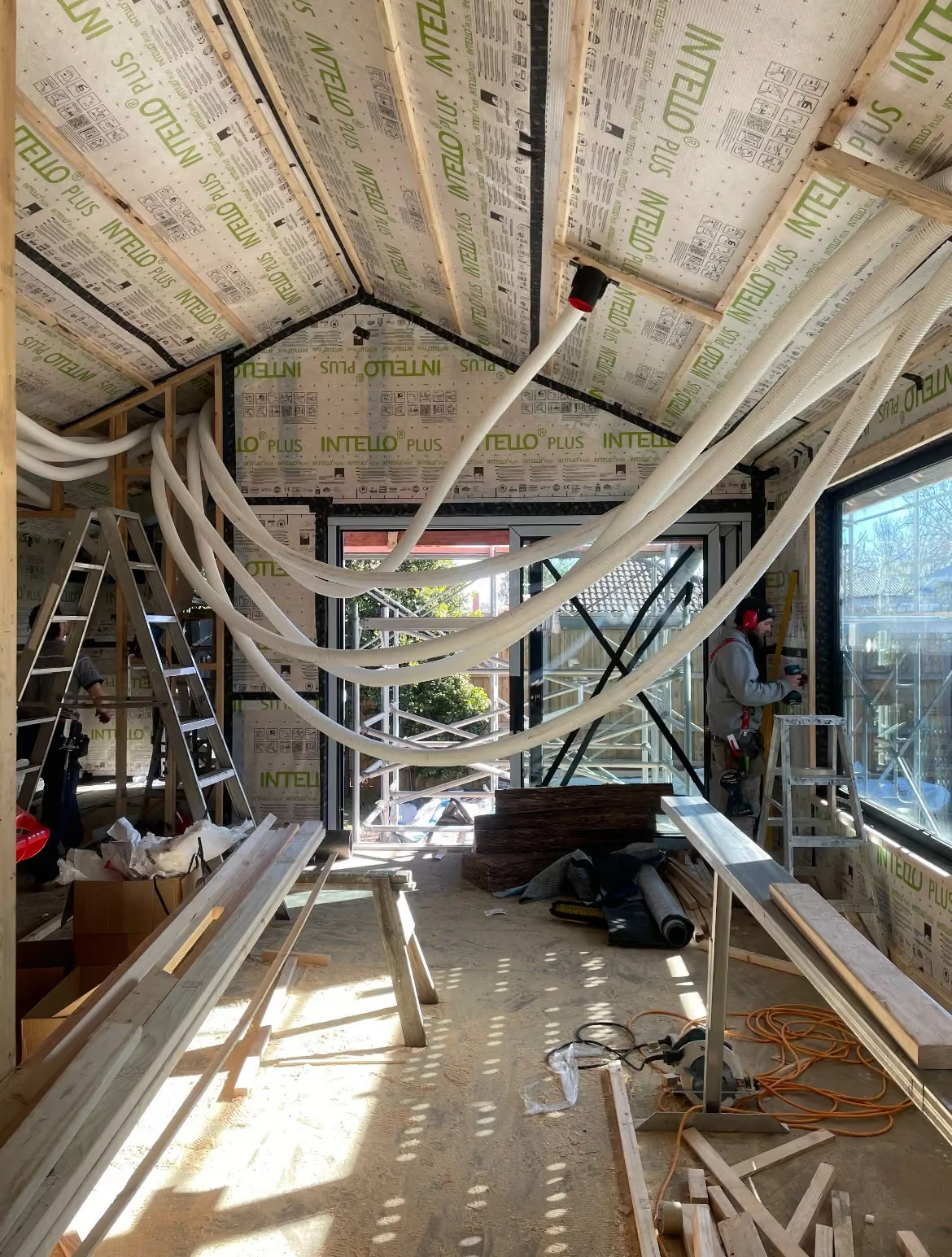
While there are upfront costs and maintenance requirements associated with MHRV’s, the long-term benefits far outweigh these considerations. Below, we explore the pros and cons of installing a MHRV and provide compelling justification for incorporating this technology into Altereco projects.
Pros:
Controlled Ventilation: MHRV systems provide controlled ventilation, ensuring a continuous supply of fresh air while expelling stale air.
Improved Air Quality: By constantly circulating fresh air, MHRV units contribute to better indoor air quality, reducing the presence of pollutants and allergens.
Reduced Humidity: MHRV systems help maintain lower humidity levels, preventing condensation buildup which can lead to mould and mildew issues.
Efficient Heating Distribution: MHRV units can also distribute heat throughout the house, potentially eliminating the need for separate heating systems like underfloor heating or radiators.
Homogeneous Atmosphere: MHRV systems promote a consistent temperature throughout the house, ensuring comfort in every room.
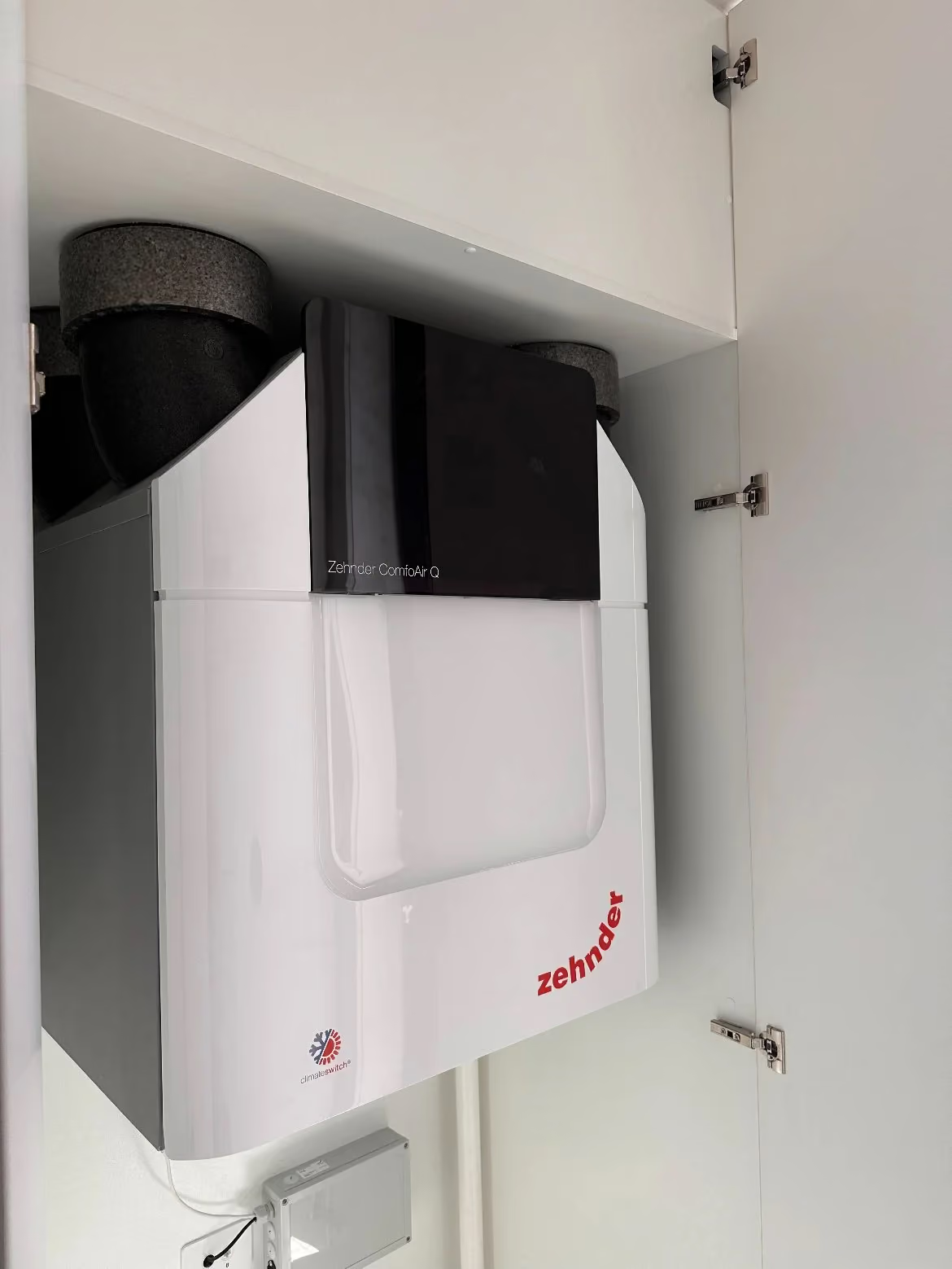
Cons:
Upfront investment for the unit and installation
Limitations on Open Fires: MHRV systems may restrict the use of open fires or wood burners that require an internal air supply, necessitating a dedicated external or direct air supply.
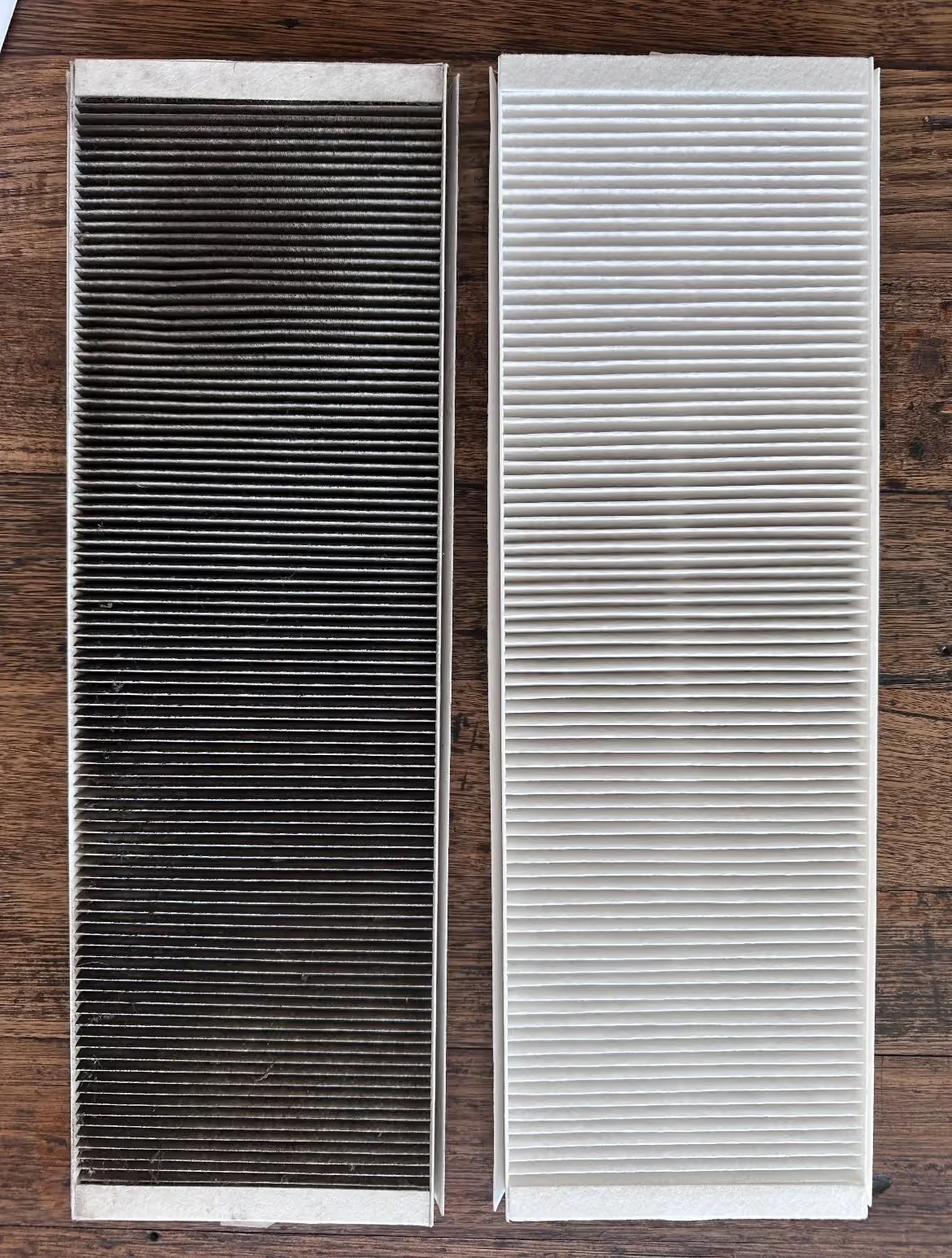
Maintenance: Albeit simple and easy, regular maintenance, including filter replacement every 6-12 months is required.
Alterations & Additions:
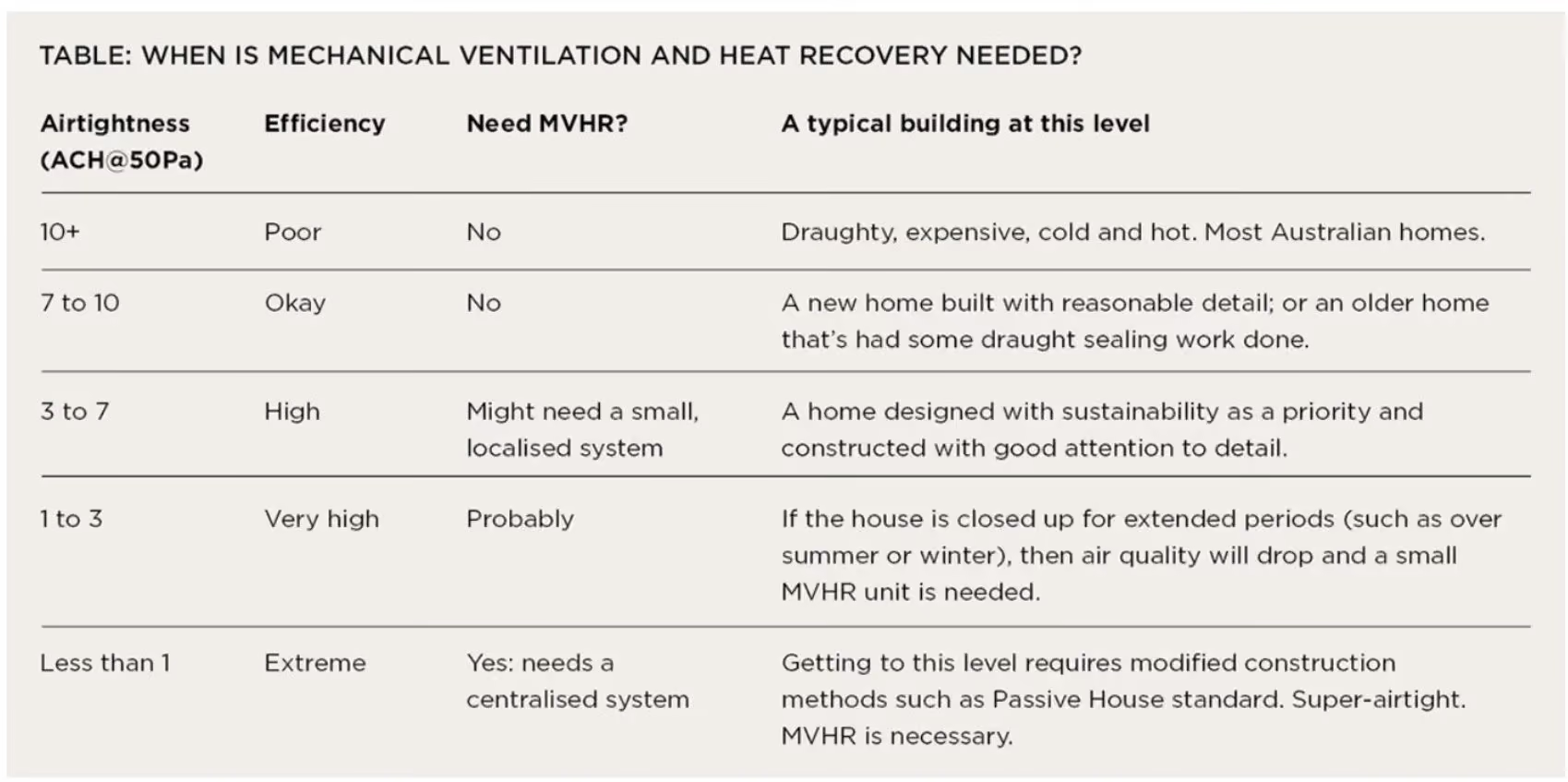
For all new homes we expect a high level of airtightness, which mandates the implementation of an MHRV. However for alterations and additions projects, is the MHRV relevant?
Although achieving Passive House levels of airtightness may require additional investment, homes built to Altereco’s typical renovation standards can benefit significantly from MHRV systems, enhancing energy efficiency and comfort. We can assume that Altereco’s alterations and additions projects would be under 5ACH (Air changes per hour), and possibly around 2-3 ACH, which would result in massive comfort and efficiency outcomes. Without an MHRV, relying solely on externally ducted exhaust fans will prove insufficient, particularly in airtight homes, leading to moisture buildup, condensation, and potential mould growth.
Considering the overall investment in a home, the cost of a MHRV installation is relatively small compared to its substantial value in terms of indoor air quality and comfort. While regular maintenance, such as filter replacement, may be a minor inconvenience, the health benefits provided by MHRV systems far outweigh this inconvenience.
In summary, installing an MHRV is a prudent investment for maintaining a healthy and comfortable indoor environment, particularly in modern, airtight homes.
You can read the full Renew Article: HERE.


.avif)
.avif)
.avif)

.avif)