
.avif)
Careful consideration is given to children's food, activities, and education, yet something equally crucial often goes overlooked—the quality of the air they breathe and the indoor environment where they spend most of their time. Recent research reveals that a home's indoor environment can significantly impact children's development in ways that are only beginning to be understood.
The Brain-Building Connection
Cognitive Development and Air Quality
The link between indoor air quality and cognitive function is striking. A study published in 2022 found that indoor air pollutant exposures were positively associated with higher prevalence of children's ADHD symptoms1. Even more concerning, children living in damp homes are nearly three times more likely to have difficulty concentrating.
In educational settings, the impact becomes even clearer:
- Poor ventilation can reduce cognitive performance by up to 50%
- Students in poorly ventilated classrooms show a 30% decline in attention span
- High levels of VOCs (Volatile Organic Compounds) correlate with a 12% reduction in task completion
Academic Achievement
The numbers tell a compelling story about how indoor environments affect learning:
- Schools with poor indoor air quality report 15% lower test scores
- Respiratory issues linked to poor indoor air quality increase school absences by 20-30%
- Simply improving air quality has shown to boost math scores by 6.5% and reading scores by 8%
Breathing for the Future
The development of children's respiratory systems is particularly vulnerable to indoor environmental conditions. According to the World Health Organization (WHO), environmental factors contribute to 40% of childhood asthma cases2. The long-term implications are significant:
- Children in damp homes face a 70% higher risk of developing asthma
- Mouldy environments triple the risk of respiratory infections
- Early exposure to poor indoor air quality can lead to reduced lung capacity growth
Sleep: The Foundation of Development
Quality sleep is crucial for children's development, yet indoor environmental factors can significantly disrupt this essential process. Research shows a 25% reduction in deep sleep in poorly regulated environments, affecting:
- Cognitive development
- Behavioural regulation
- Memory formation
- Emotional stability
- Growth hormone production
The Neurodevelopmental Picture
The effects of indoor environmental quality on brain development are particularly concerning:
- Mould exposure has been linked to memory problems and reduced processing speed
- VOC exposure correlates with IQ score reductions of 3-7 points
- Poor air quality has been associated with a 20-30% increased risk of ADHD symptoms
Building a Better Future: Prevention Strategies
The good news is that many of these issues are preventable through proper building design and maintenance. At Altereco Design, we focus on creating healthy indoor environments through Passive House principles, including:
Air Quality Management
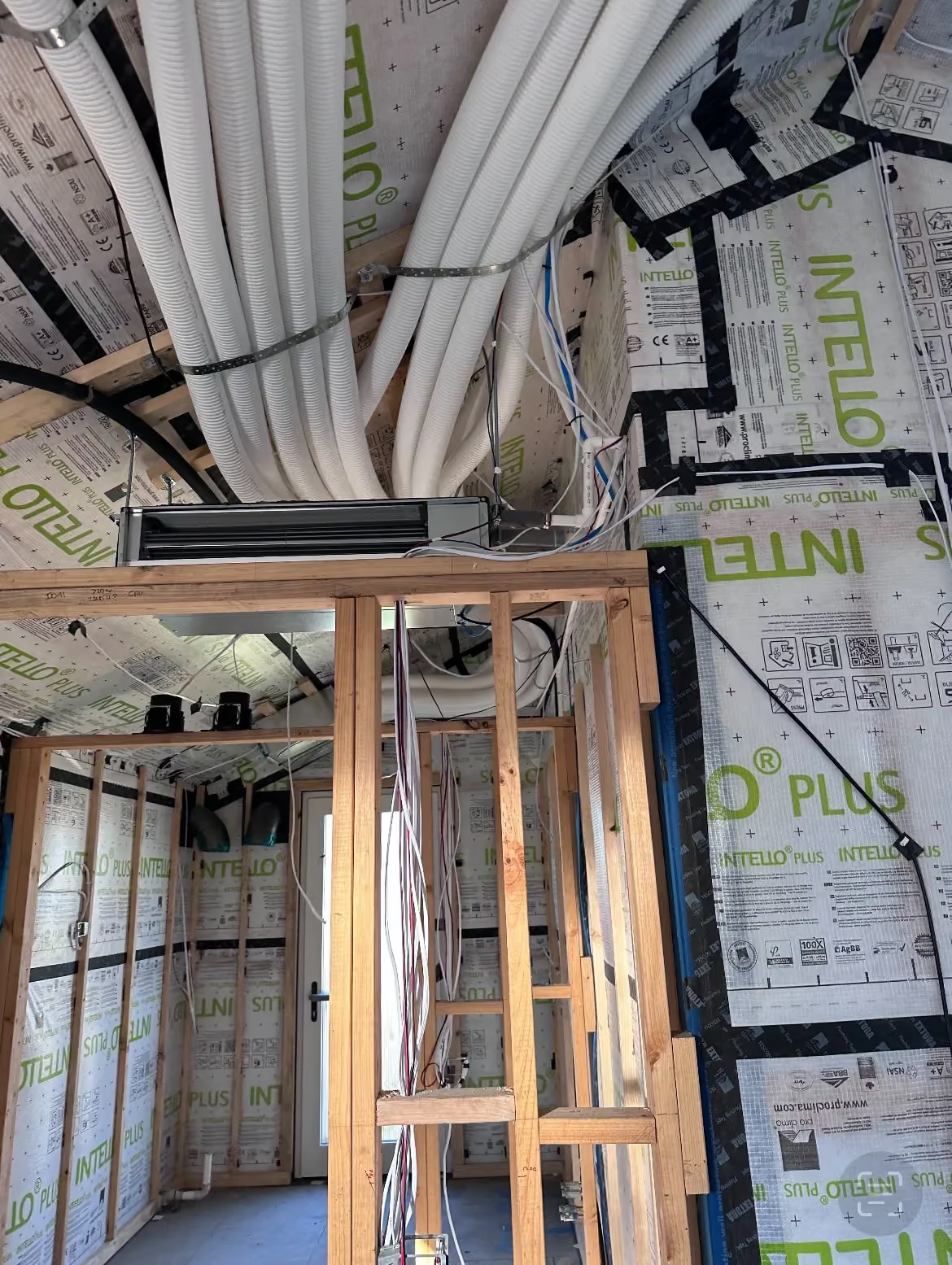
- Advanced ventilation systems with high-efficiency filtration
- VOC reduction strategies
- Continuous fresh air supply
- Particle removal systems
Moisture Control
- Sophisticated humidity management (MHRV)
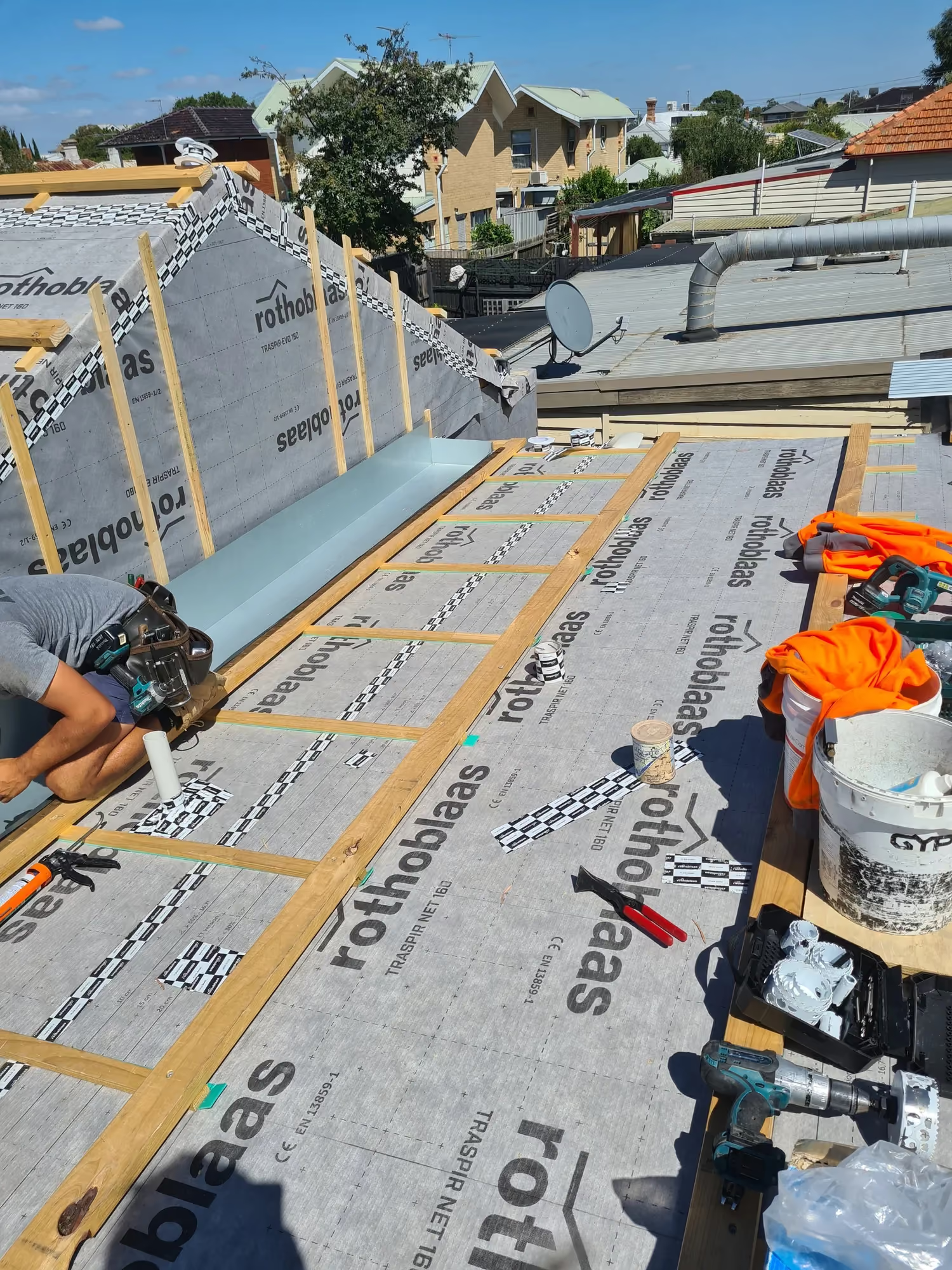
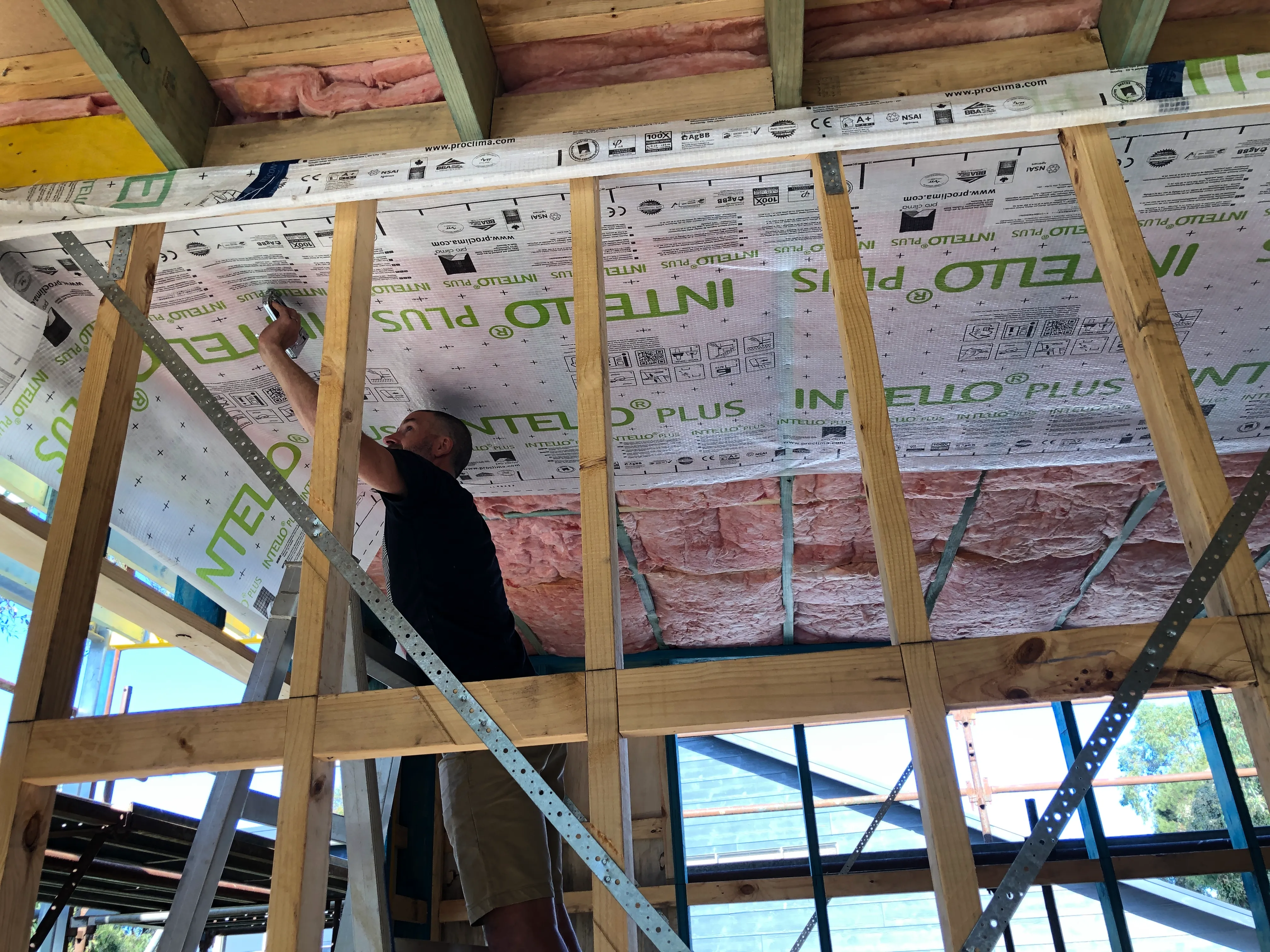
- Condensation prevention through proper building envelope design
- Effective water management systems
- Professional drainage solutions
Temperature Regulation
- Consistent comfort through advanced building design
- Optimal sleep environment maintenance
- Learning-focused temperature control
- Activity-appropriate thermal comfort
Taking Action for Your Child's Health
As certified Passive House designers, we know that creating a healthy home environment is one of the most valuable investments in your child’s future.
While there is a lot of promotion and discussion in regards to building improvements for ‘draught-free’ and ‘airtight’ construction for energy efficiency, we see this as secondary. Our approach is rooted in building science, using advanced performance principles to prioritise indoor environmental health. For us, the primary role of an airtight building is to provide complete control over the indoor environment—
- Preventing pollutants from entering the home
- Regulating indoor climate, including humidity and temperature
- Managing toxins (VOCs, CO2, and other pollutants) for healthier air quality
By prioritising indoor environmental quality, we can shape healthier, more supportive spaces for our children to grow, learn, and thrive. The evidence is clear—air quality, moisture control, and temperature regulation all play a critical role in cognitive development, respiratory health, and overall well-being. At Altereco Design, we are committed to designing homes that go beyond minimum standards to create spaces that actively enhance health and performance. A well-designed home isn't just a financial investment —it’s an investment in your child’s future.
Ready to create a healthier environment for your child's development? Contact Altereco Design to learn how our Passive House approach can transform your home into a haven for healthy development. Visit www.altereco.net.au/passive-house-designers or call us to discuss your family's needs.
While specific studies are referenced in this article, we recommend consulting with health professionals and building science experts for the most current research and recommendations for your specific situation
Ready to create a healthier environment for your child's development? Drop us a line to learn how our Passive House approach can transform your home into a haven for healthy development.
Air pollution exposure correlates with deficits in intelligence, memory and behaviours in children3

.avif)
.avif)
.avif)