
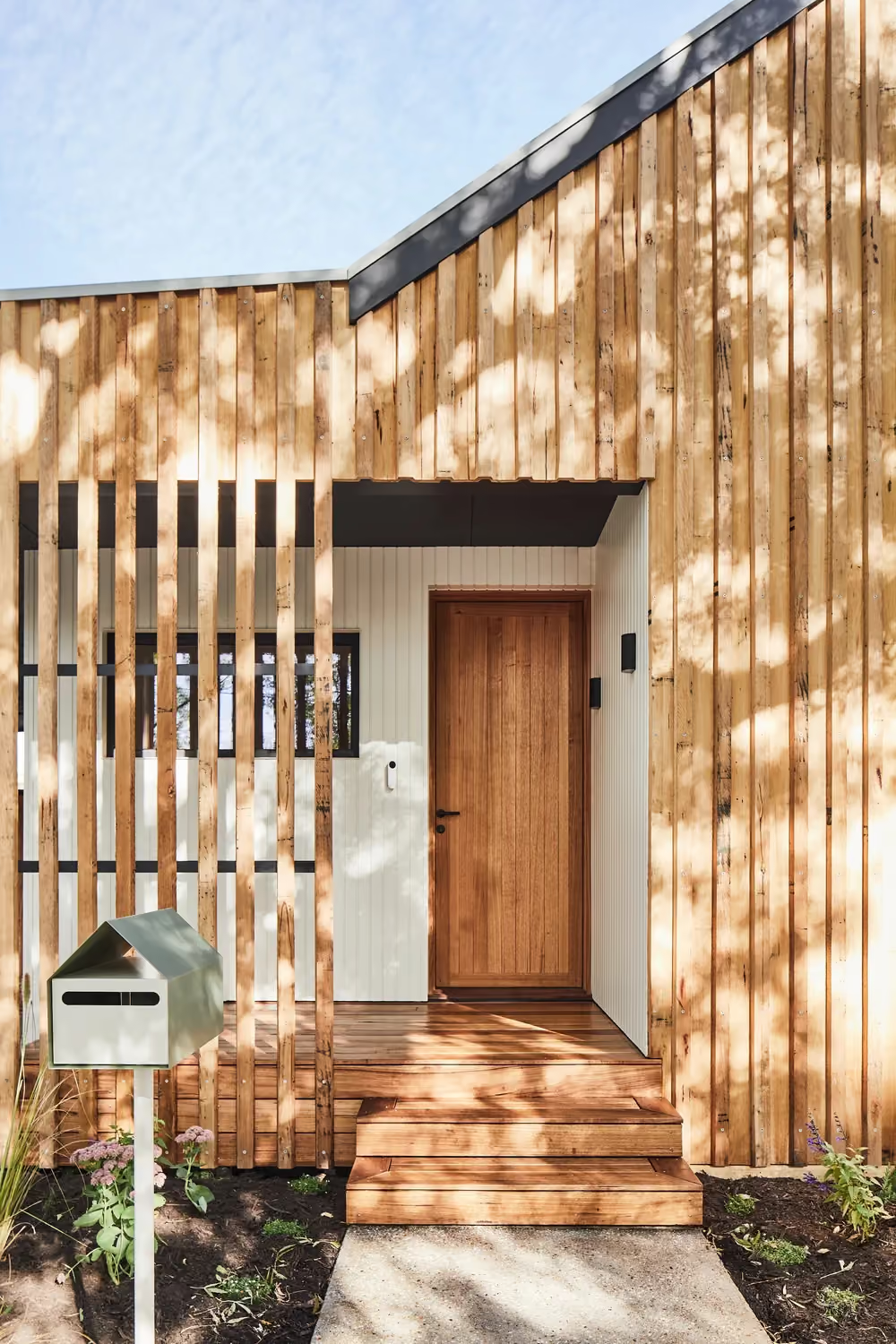
Yes—every single house in Victoria requires some form of heating and cooling!
There’s a common misconception that a Passivhaus home “heats and cools itself.” While these homes dramatically reduce the need for active heating and cooling, they don’t eliminate it entirely—especially in extreme climates.
The Smartest Way to Stay Cool in a Passive House
For our Passivhaus clients, one key principle remains true: pre-empt the hot days. Leave your air conditioning on and let your solar panels do the heavy lifting. Waiting until the afternoon or evening to turn on your A/C when it's already hot is a false economy. By then, the thermal mass of your home has absorbed heat, requiring even more energy to bring temperatures back down.
Why Heating and Cooling Are Still Needed in a Passive House?
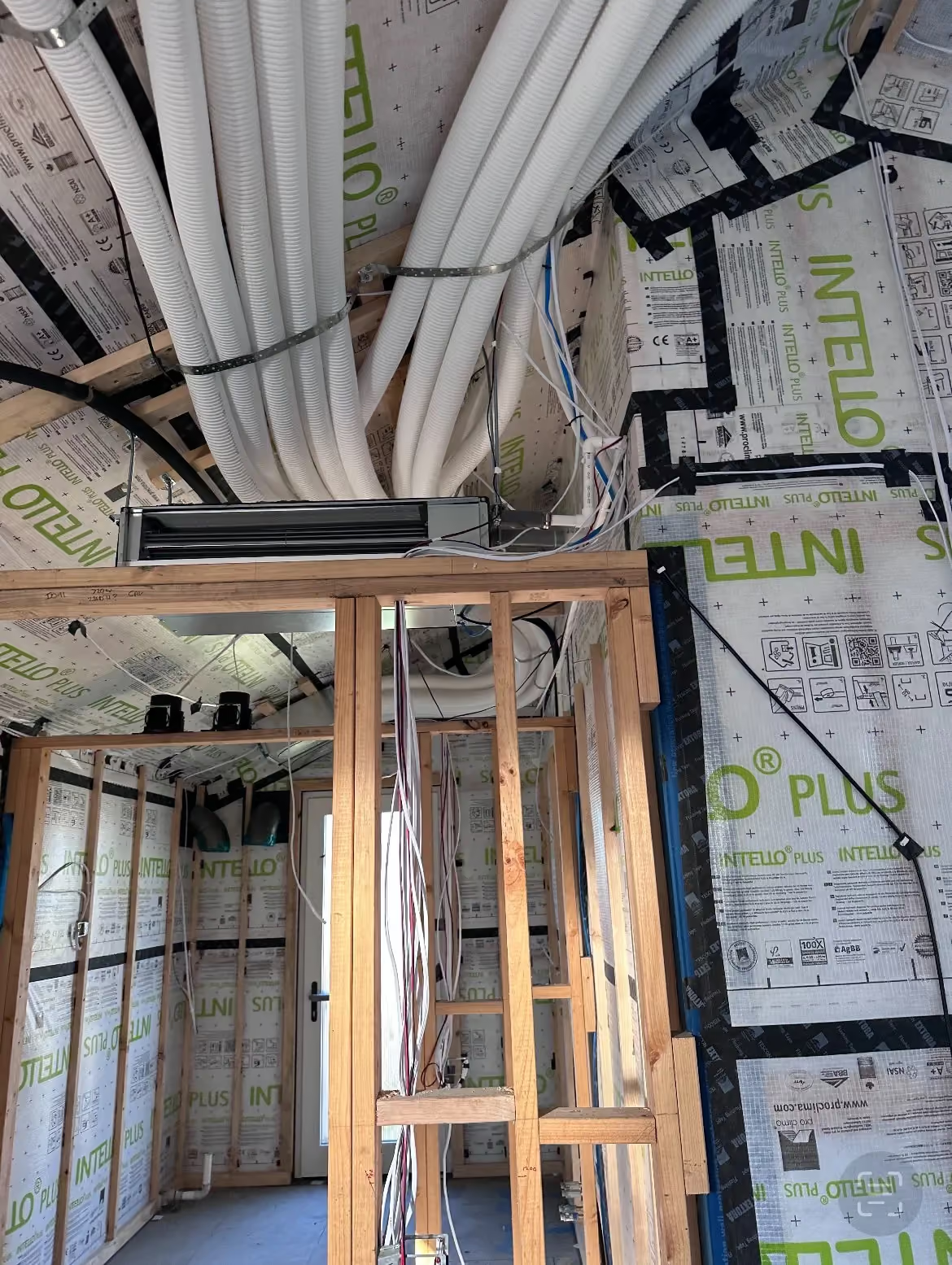
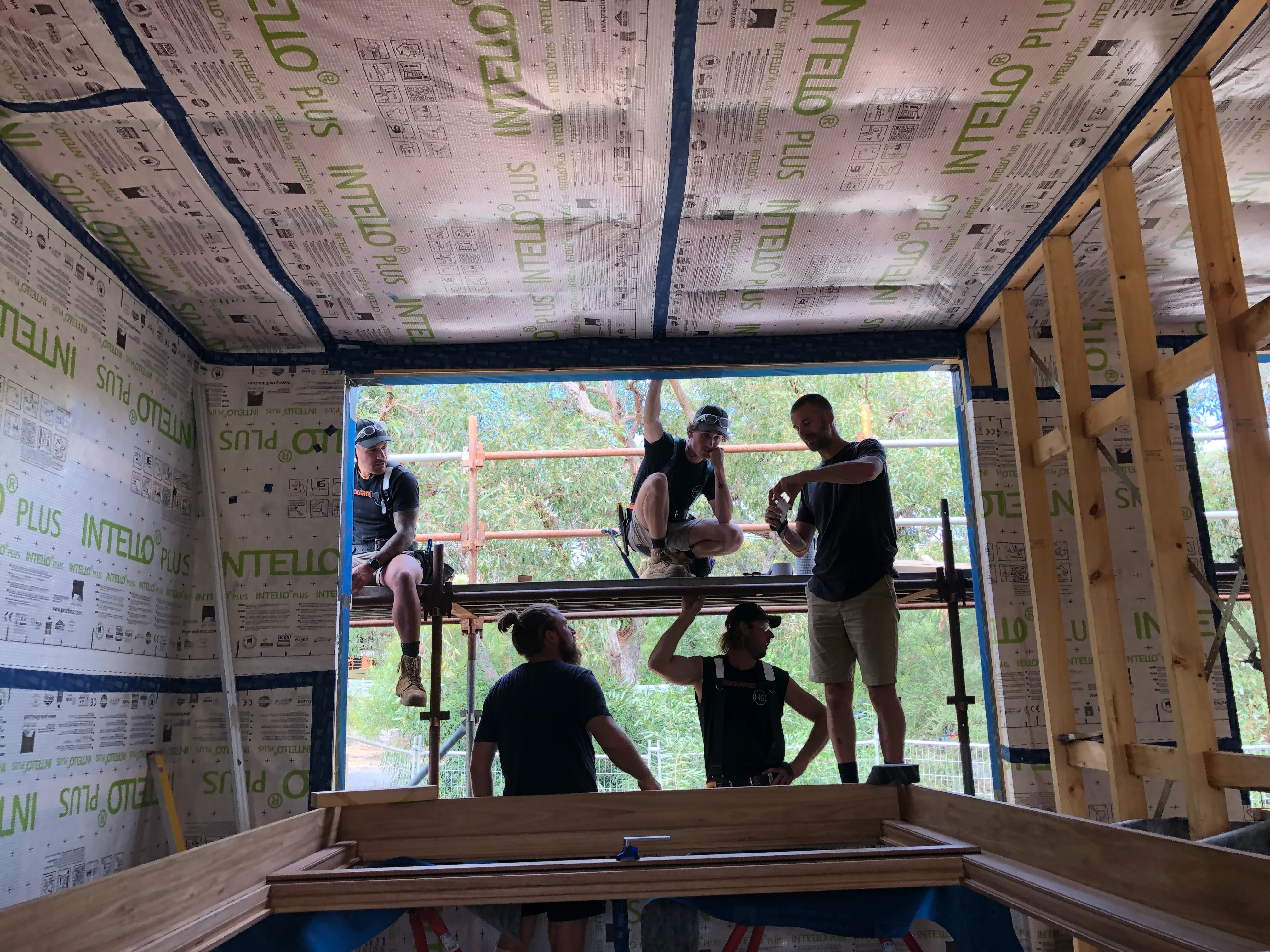
A Passivhaus is designed to minimise heat loss in winter and heat gain in summer through superior insulation, airtight construction, high-performance windows, and mechanical ventilation with heat recovery (MVHR). However, some level of heating or cooling is still required due to:
- Cold Winters – In colder climates, solar gains and internal heat from occupants and appliances may not be enough to maintain comfortable indoor temperatures. A small, efficient heating system (such as a heat pump or radiant panel) ensures warmth when needed.
- Hot Summers – Clever shading and ventilation strategies help moderate indoor temperatures, but prolonged heatwaves or humid conditions may still necessitate cooling, usually via an efficient air conditioning or heat pump system.
- Variable Weather – Unpredictable weather patterns, prolonged overcast days, or extreme temperature fluctuations can require supplemental heating or cooling to maintain optimal comfort.
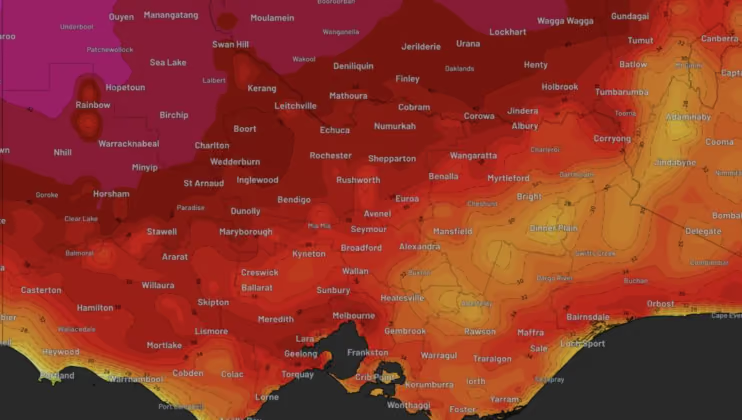
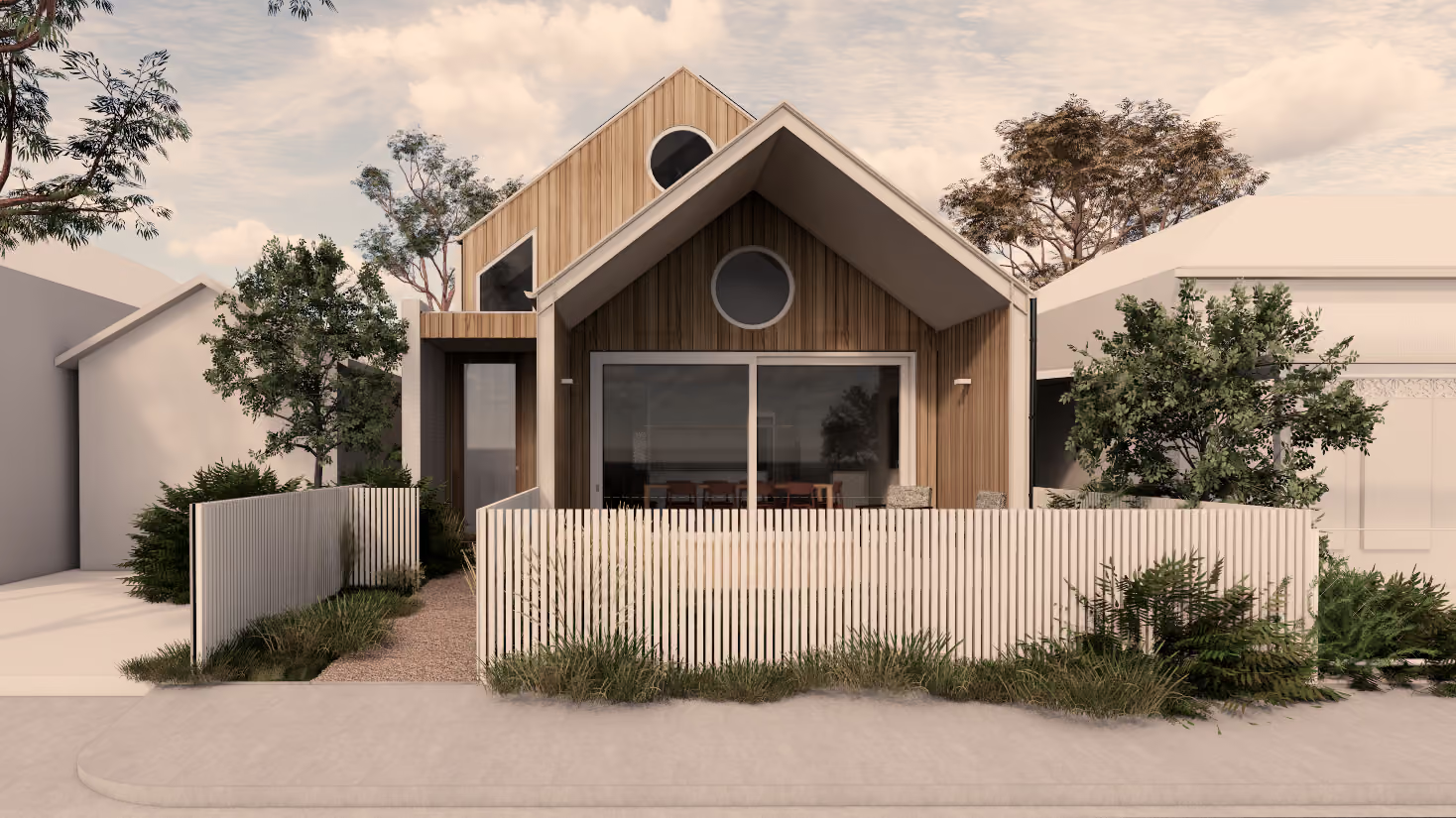
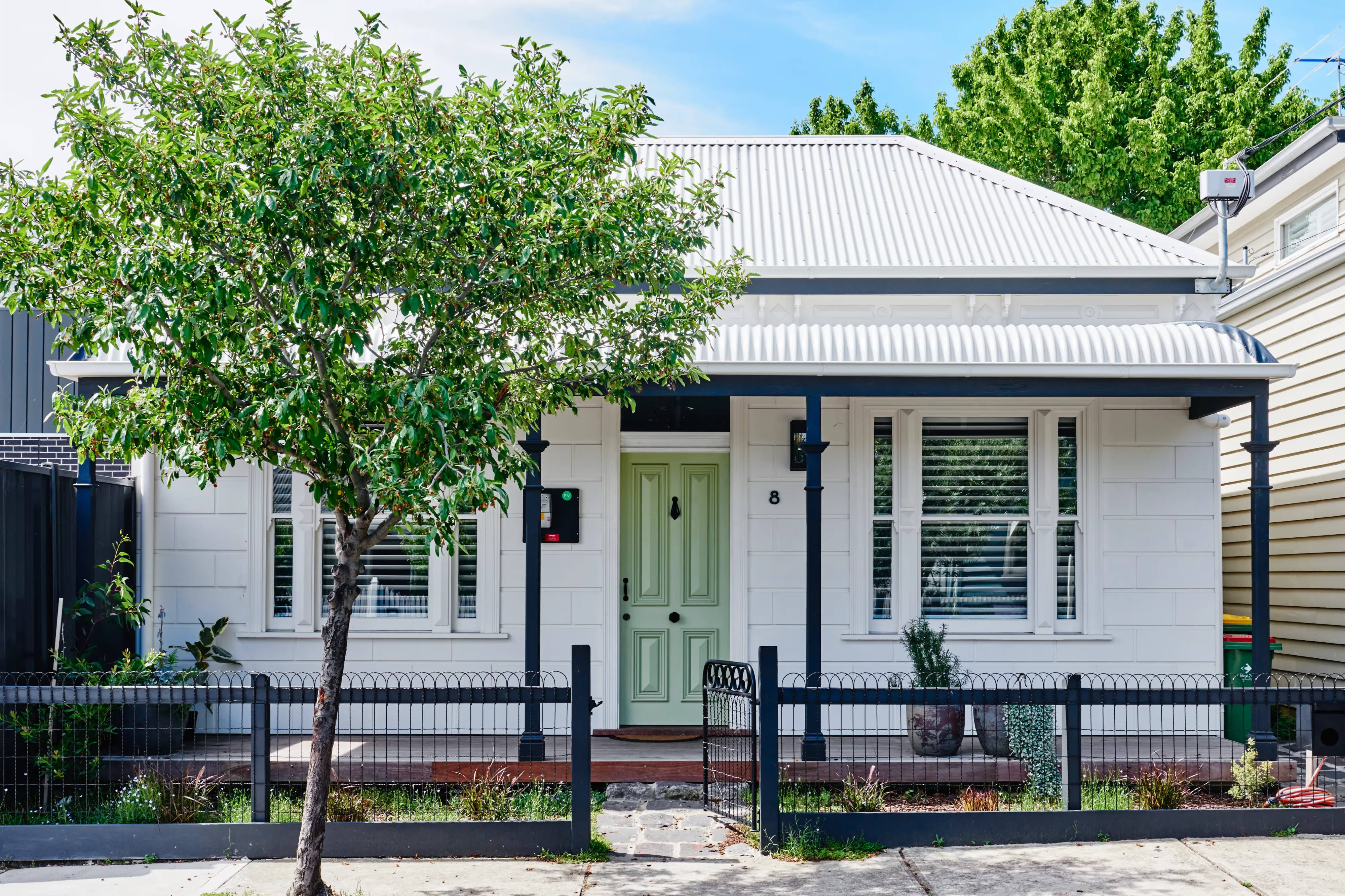
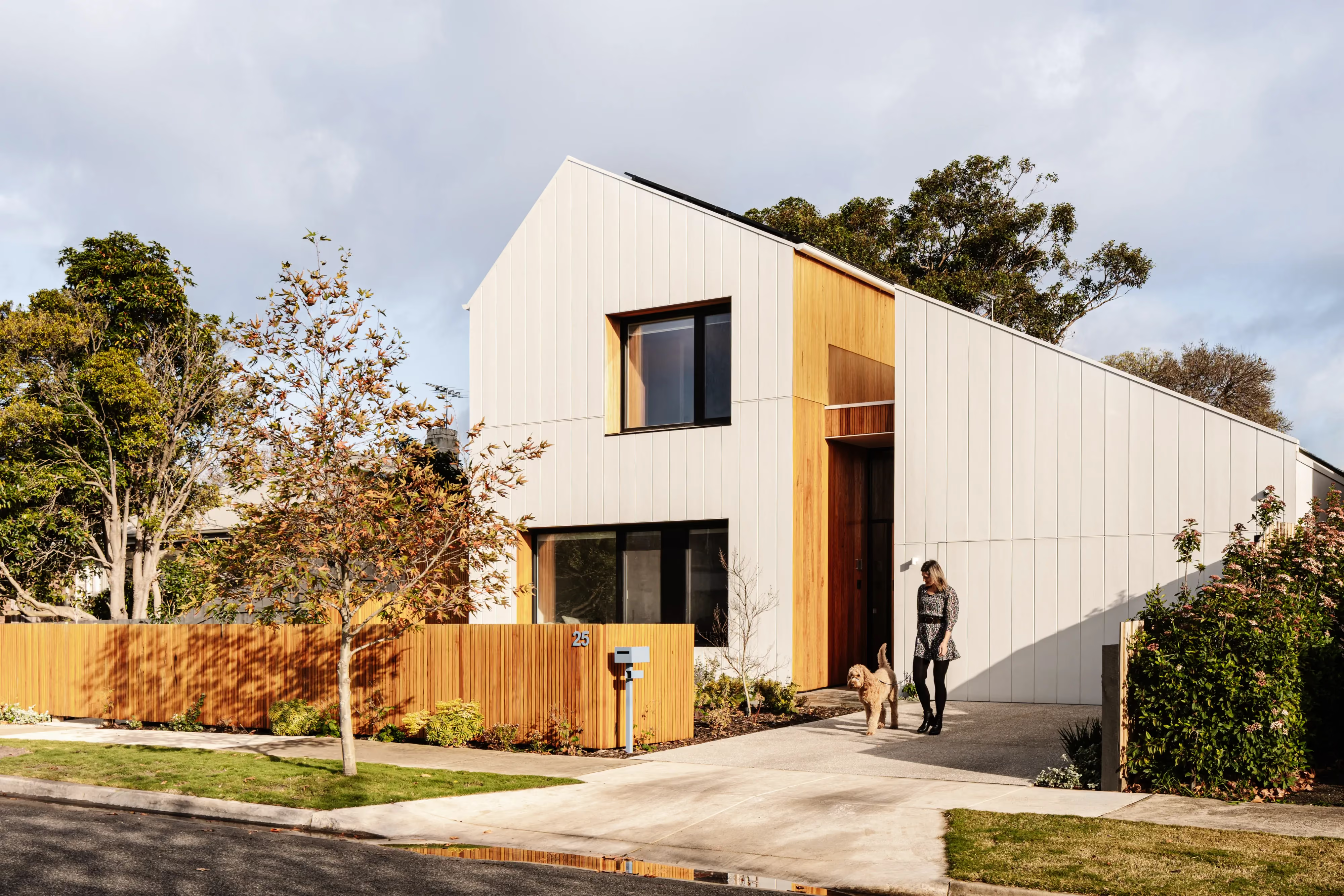
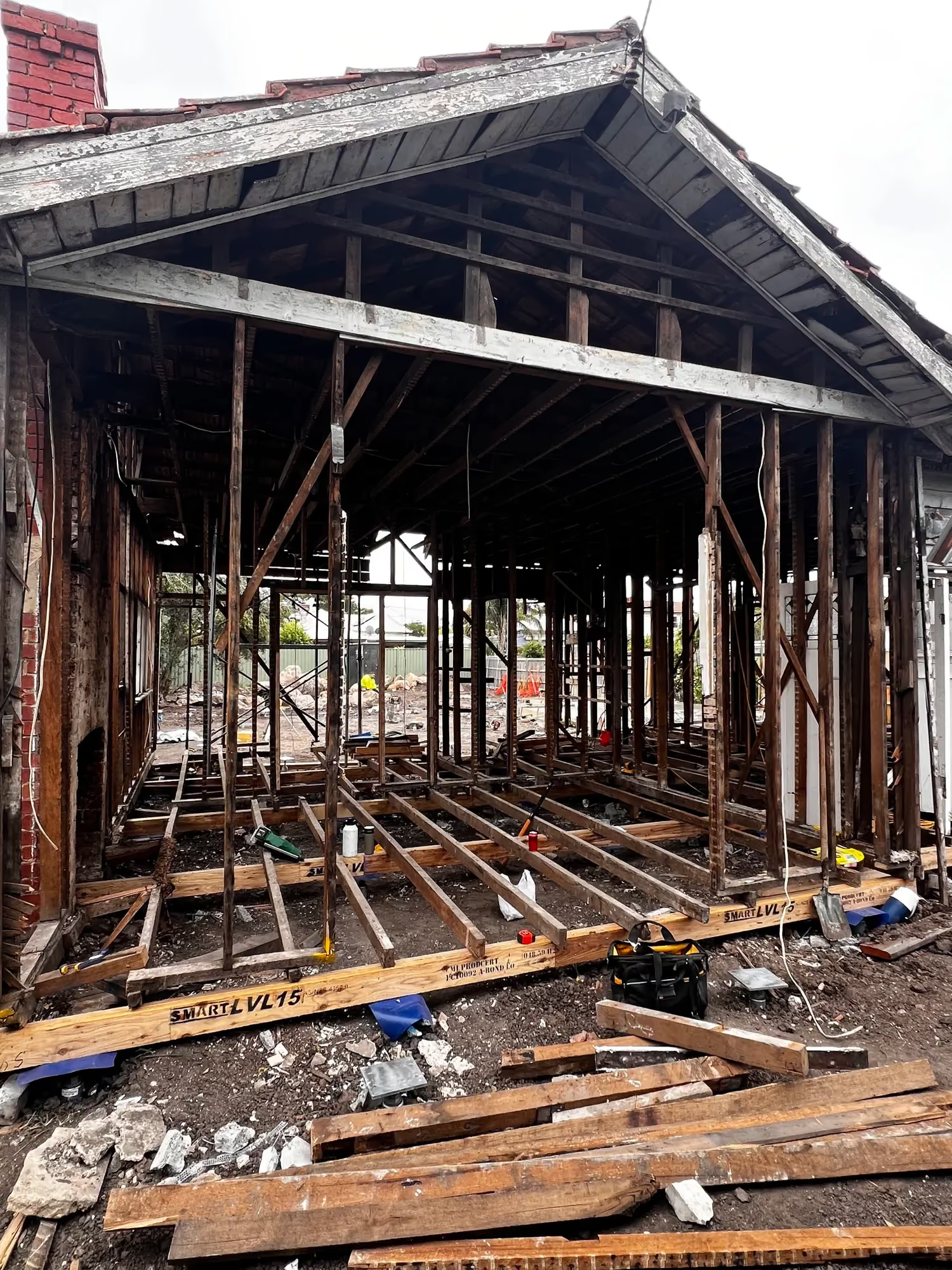
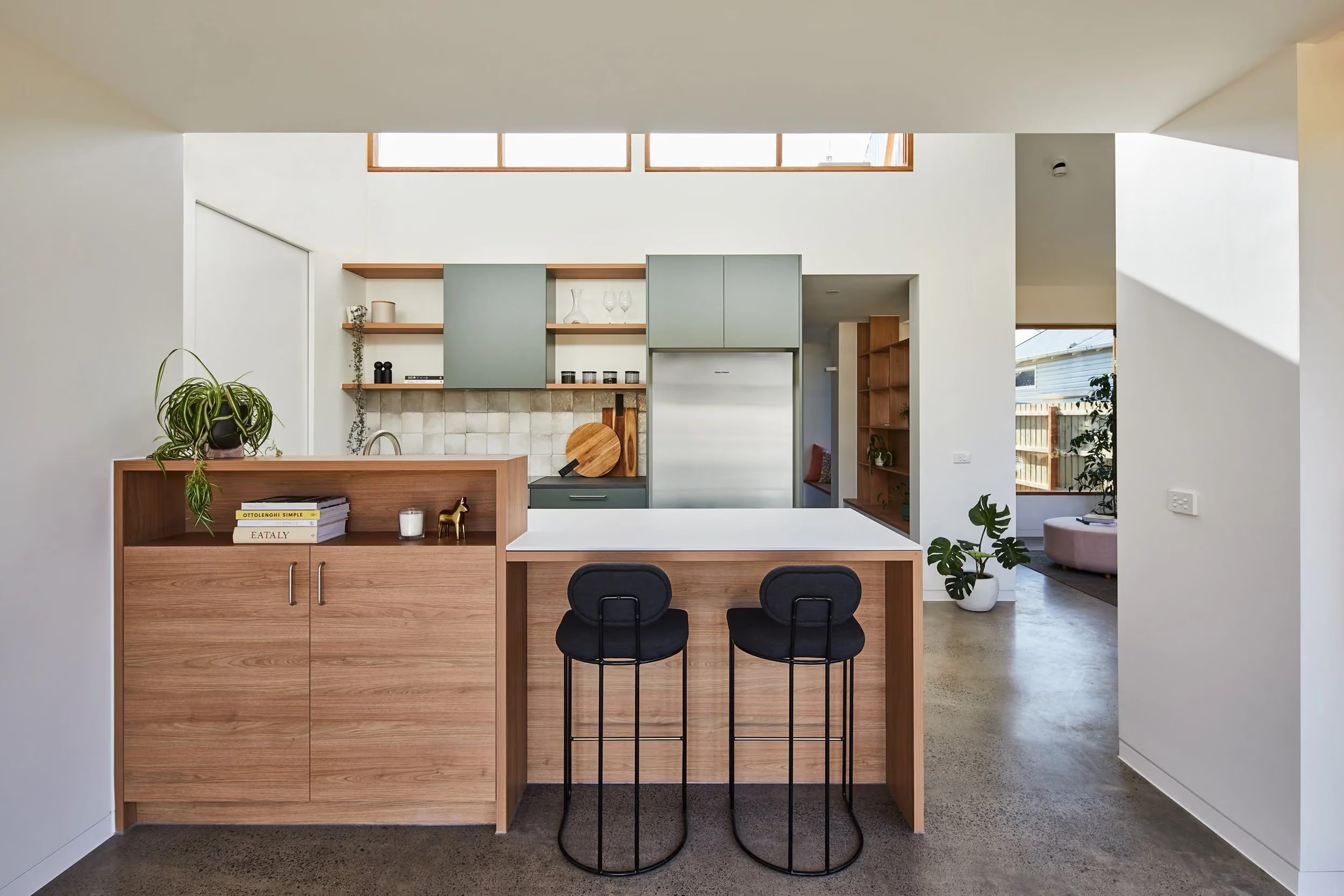
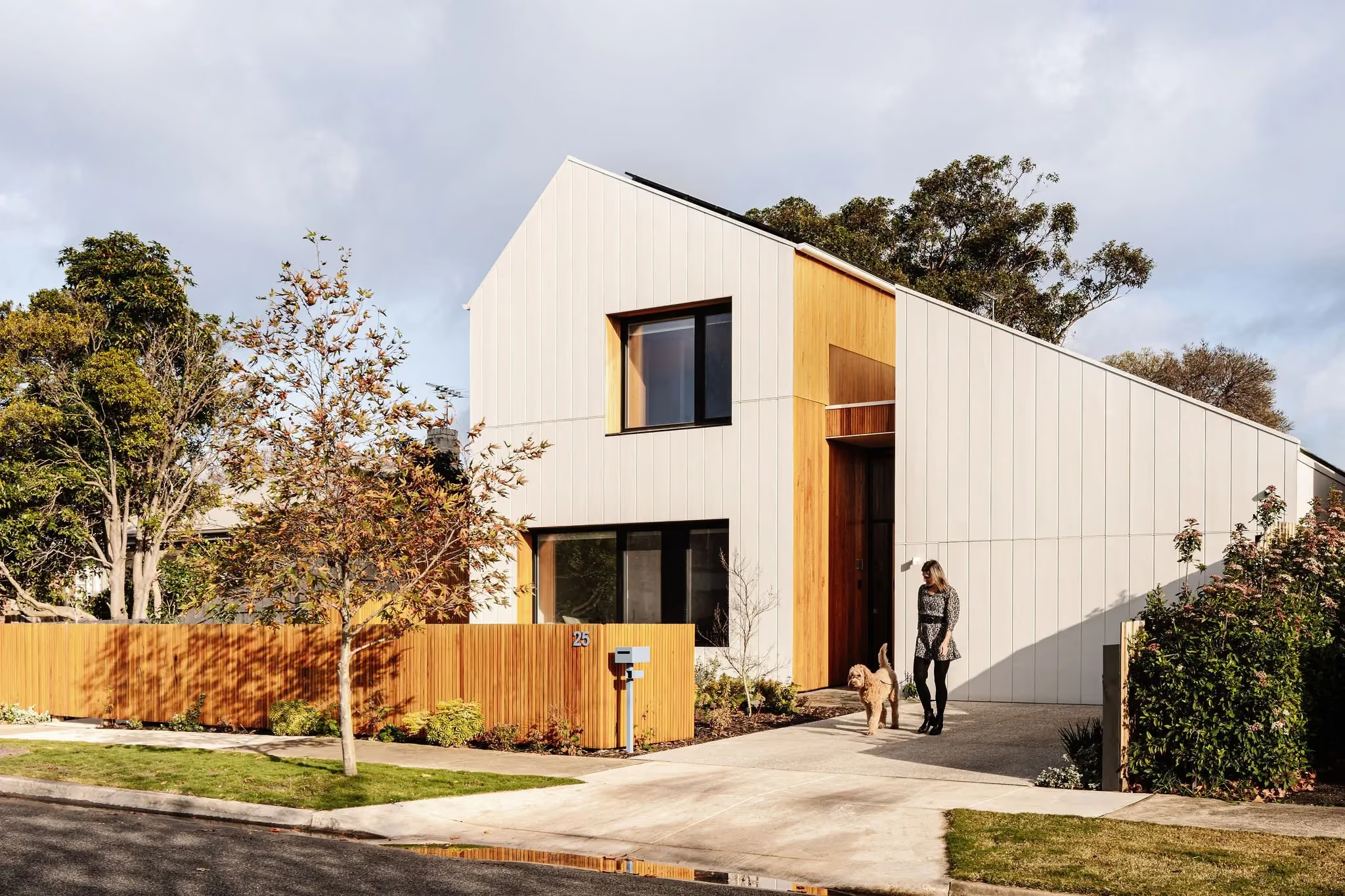
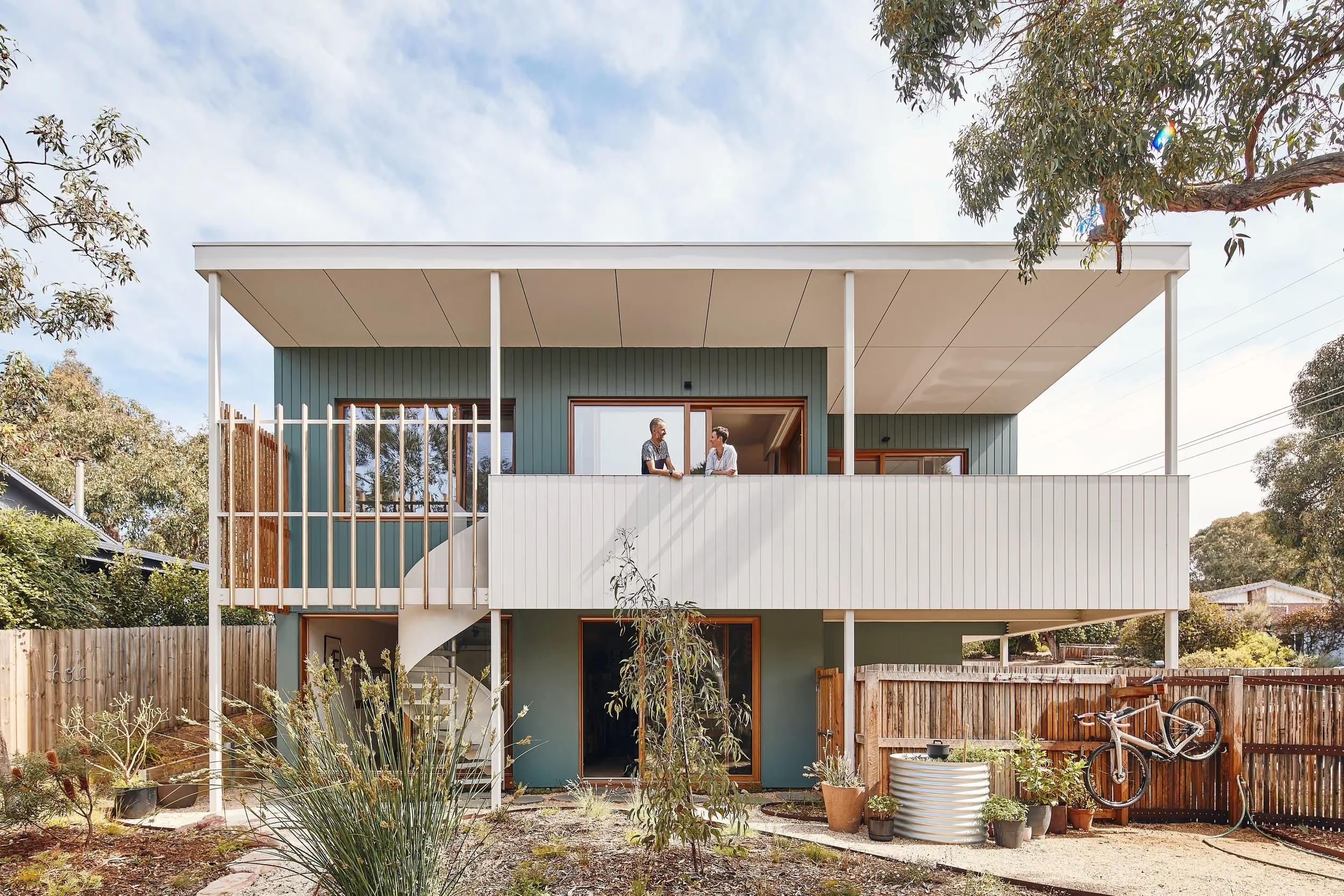
Real-World Example: Forrest Street Passivhaus
The PHPP software predicted:
- Overall energy consumption: 37.4kWh/m²a x 149.3m² (TFA) = 5,583kWh
- Heating & cooling energy: ~20% of total = 1,116kWh
- Cost: $280 - $446 annually (depending on electricity rates at 25c-40c per kWh)
- With the addition of solar, the cost becomes negligible.
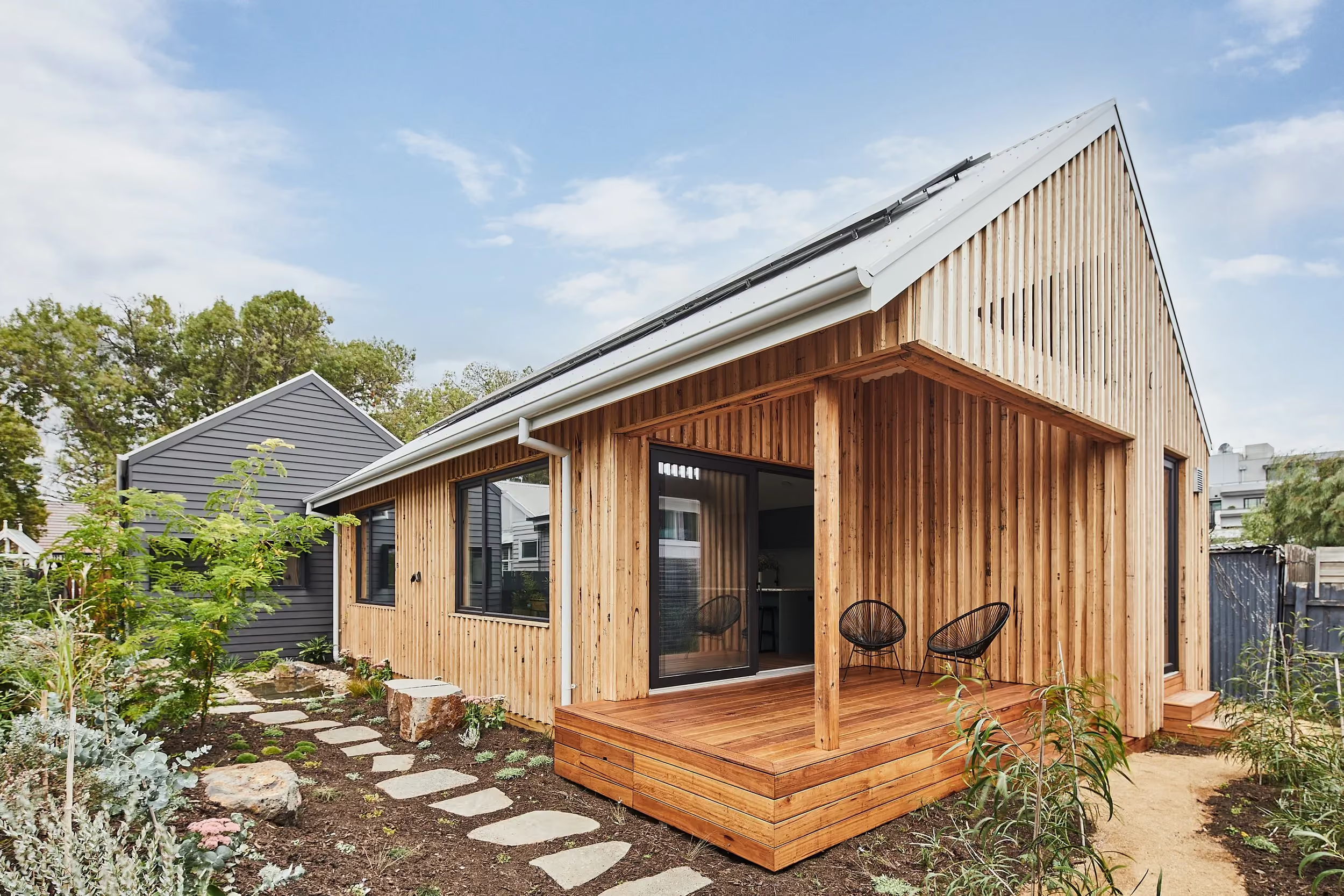
Pro Tips for Managing Indoor Climate in a Passive House
- Leave your A/C on auto at your preferred temperature—it will use less energy maintaining the temperature than fighting to recover it.
- Pre-empt the heat on hot days by cooling your home early in the day rather than waiting until it’s already hot.
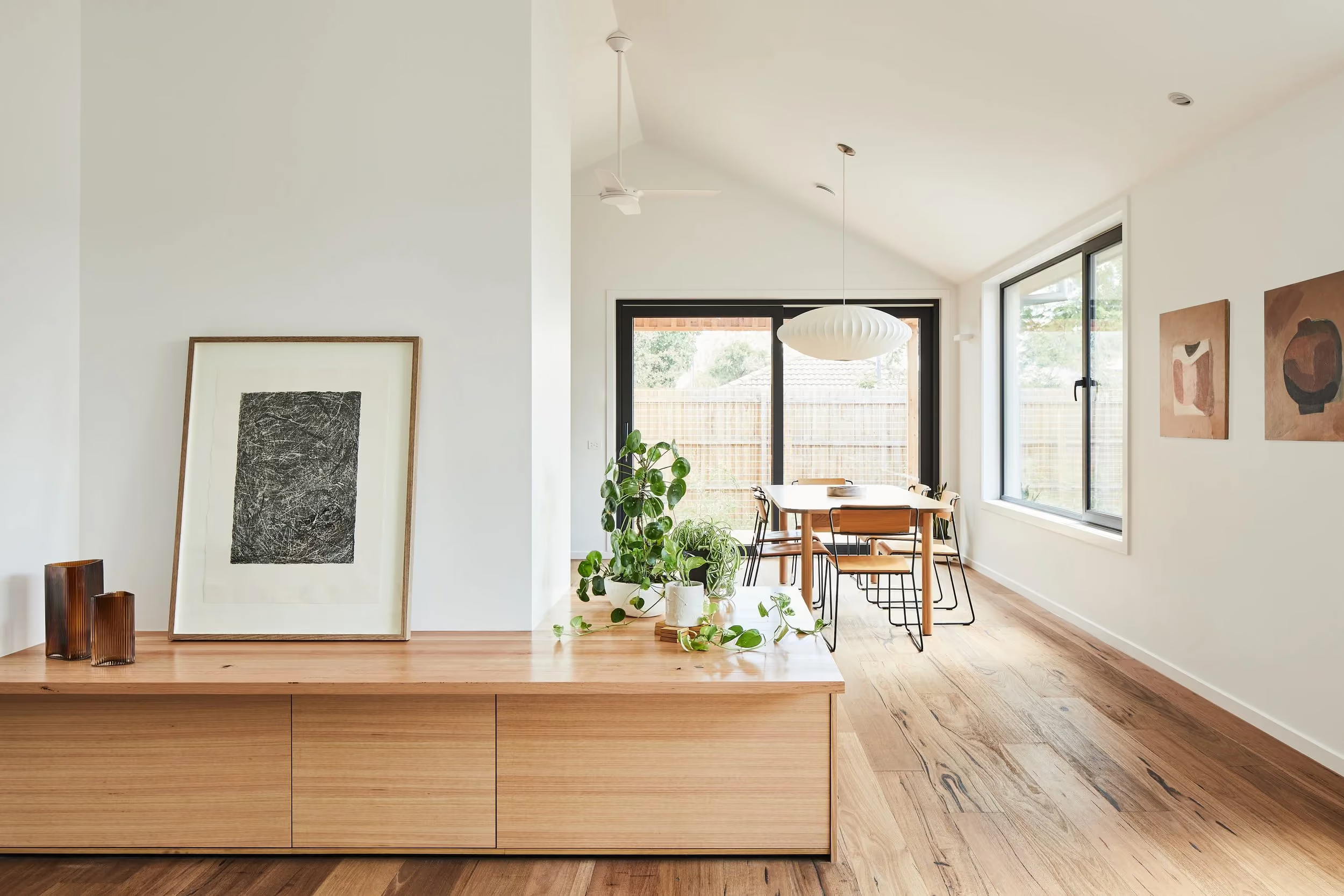
- Ceiling fans are essential for improving airflow and reducing the perceived temperature.
Smart Design, Smarter Comfort - Passive House Principles
Rather than aiming for a house with zero heating or cooling, Passivhaus principles focus on reducing demand to an absolute minimum. When active systems are needed, they work efficiently and cost-effectively, ensuring year-round comfort with significantly lower energy consumption and environmental impact.

.avif)
.avif)
.avif)
.avif)